MUHC in the Media - September 28, 2026

Preventing diabetes to improve health and reduce costs
A new study led by Dr. Nisha Gupta and Dr. Kaberi Dasgupta of the Research Institute of the MUHC shows that a publicly funded diabetes prevention program modelled on an initiative implemented in England could improve health outcomes for people at risk of developing type 2 diabetes while reducing long-term health-care costs. In the Montreal Gazette, Dr. Dasgupta explains how such a program could be adapted to the Quebec context. Montreal Gazette

MUHC helps shape the future of digital health in Canada
Three MUHC teams, led by Drs. Alan Forster, Ahmed Aoude and David Buckeridge, have been selected to participate in the first-ever Digital Health Innovation Fund, a pan-Canadian initiative aimed at strengthening Canada’s capacity in artificial intelligence and health data. The projects led by our experts highlight the depth of expertise within the MUHC and the role of the IMPACT Centre in turning innovation into tangible benefits for patients and the health-care system. Canadian Healthcare Technology

Hair health under the microscope
In La Presse, Dr. Elena Netchiporouk, a dermatologist at the MUHC’s Montreal General Hospital, shares her expertise on hair and scalp health. She explains the different problems that can affect the scalp and hair, their causes, as well as the solutions and best practices to help maintain their health. La Presse
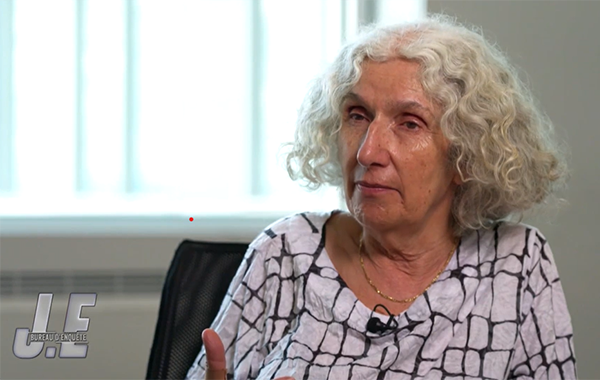
Group 764 terrorizes young people online
Child psychiatrist Cécile Rousseau, from the Montreal Children’s Hospital, shares her concerns with the J.E. team about the 764 network, an online group that promotes the destruction of society and the glorification of violence. She speaks in particular about the deeply disturbing nature of the stories shared by some teenagers: “What the adolescents were telling us was so horrifying that the entire team, including senior clinicians, tended to think that it couldn’t be true and that it was all made up.” The report was featured on TVA Nouvelles and in the Journal de Montréal. (1) (2) (3)

A “mini-heart” to better understand heart disease
Researchers at the Research Institute of the MUHC have created a three-dimensional beating “mini-heart” using blood cells from a patient with dilated cardiomyopathy. In The Suburban, Dr. Renzo Cecere, a scientist at the Institute, discusses how this advance could help researchers better understand the disease, evaluate new treatments and, ultimately, contribute to more personalized approaches to care. The Suburban