MUHC in the Media - January 5, 2026
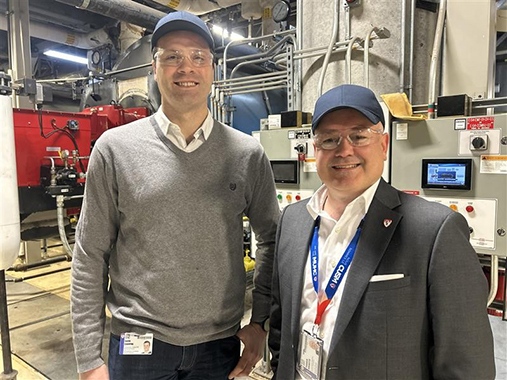
The MUHC is going carbon neutral. What are the others waiting for?
Achieving carbon neutrality by 2040: that is the goal of the McGill University Health Centre (MUHC), which has developed a roadmap to get there. Several members of the MUHC Technical Services Department contributed: Yannick Guenette, Director, Justin Ciampini, Associate Director (interim), Operations and PPP Agreement, Céline Primeau, Building Advisor and Marie-Christine Chartier, Assistant to the Director, Sustainable Development and Performance. La Presse
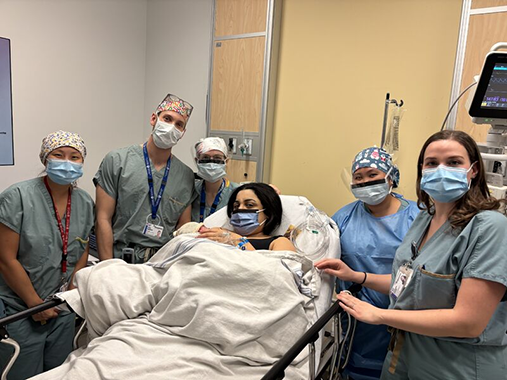
First babies of 2026: all girls
At 12:46 a.m. on Thursday, a seven-pound, 15-ounce baby girl became the first baby born at the MUHC. Mother Miriam Azer and her baby are doing well, while father Maged Youssef remains in Egypt awaiting a visa approval. Even while in labour, Azer said she was able to ring in the new year with the staff. “I did because everyone at the hospital were amazing,” she told CTV News. “Honestly, the vibes were very positive. The team was amazing.” CTV News, CityNews, La Presse, Le Soleil, L'actualité, Le Charlevoisien, The Montreal Gazette, Le Journal de Joliette, L'Écho de Trois-Rivières, Chambly Express, Vallée-du-Richelieu Express, Go Rimouski, Presse Canadienne (Print Edition)

Significant discoveries in health care
La Presse published an article on the significant discoveries made by Quebec researchers in 2025 in healthcare. Two of the six discoveries mentioned are the result of research conducted at the MUHC.
The first: according to a study published in JAMA, a simple combination of blood and urine tests could replace lumbar punctures to reliably identify infants with fevers who are at very low risk of invasive bacterial infection.
The second: a study published in The Lancet Digital Health led to the development of the world's first artificial intelligence platform capable of accurately predicting acute systemic inflammation—an early immune response to to viral respiratory tract infections (VRTIs) —by analyzing biometric data collected by a smart ring, smart watch, or smart clothing.

Program helps cancer survivors face fear of recurrence
Fear of cancer recurrence often persists after treatment ends, leaving many survivors with ongoing anxiety and uncertainty. Across Canada, the Fear of Recurrence Therapy (FORT) program is helping address this gap in post-treatment care by supporting survivors’ emotional recovery. Co-developed by MUHC researcher Christine Maheu and University of Ottawa researcher Sophie Lebel, FORT targets a longstanding blind spot in cancer care. CityNews
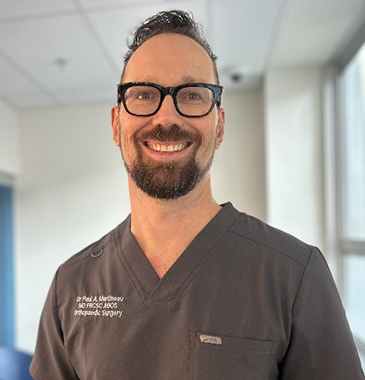
MUHC develops app to predict and prevent ACL injuries
An ACL tear is one of the most common sports injuries. “If you have that injury, you’re out of your sports for a rehab that’s a year long,” said Dr. Paul Martineau, orthopaedic surgeon at the MUHC. That’s why specialists at the MUHC have developed the smartphone app Hurtblocker. The free app predicts whether users are at risk of experiencing what can be a devastating injury. CTV News
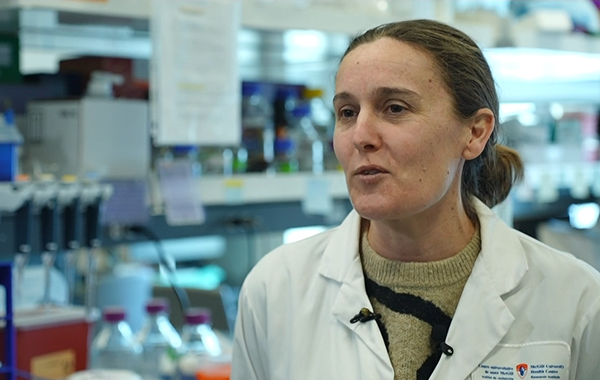
Researcher creates lung tissue using 3D printing
Darcy Wagner, PhD, a biomedical engineer and a researcher at The Institute, is looking into new ways to treat damaged lungs. With her team, she has created lung tissue using extrusion-based bioprinting with a 3D printer, which could be used to repair the lungs and could reduce the need for lung transplants. She spoke about her work to CTV News. Marie-Hélène Laramée, MUHC Foundation President and CEO, spoke about the importance of attracting top researchers at the MUHC.
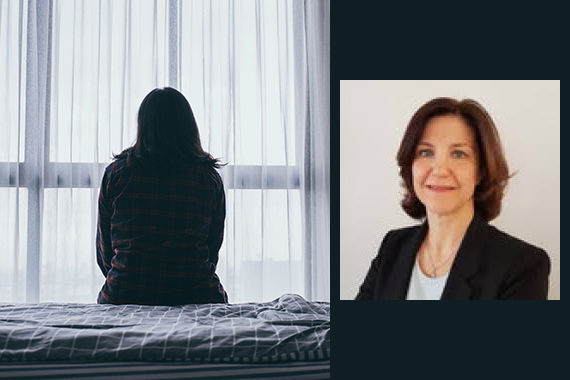
Treating depression with a headset
US authorities have approved a brain stimulation headset developed by Flow Neuroscience for treating depression, which can be used at home. According to Dr. Michaela Barbarosie, a psychiatrist at Neuro, this technology offers a non-pharmacological alternative for patients who are reluctant to take antidepressants due to side effects or fear of addiction. La Presse
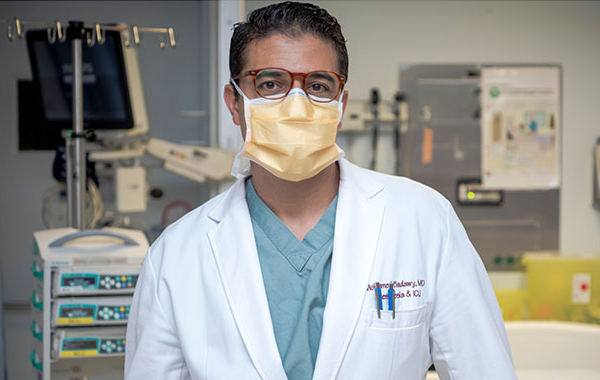
Do redheads need stronger anesthetics?
This is true for inhaled (gaseous) anesthesia, but without any clinical impact. “Redheads may require 10% to 20% more gas anesthesia, but requirements already vary greatly from patient to patient,” explains Dr. Mohamed Badawy, head of anesthesia at the MUHC. "Hair colour does not make anesthesia riskier and does not systematically lead to higher doses. "In practice, anesthesia is always adjusted for each patient based on their response and clinical condition, not hair colour. La Presse

The gift of life for his coach
Patrice Lortie, a former football player for the Trappeurs at Marie-Victorin College, donated one of his kidneys to his former coach, Jocelyn Beauvillier, even though he had not kept in touch with him after leaving the team in the early 1980s. The transplant took place at the McGill University Health Centre (MUHC) on March 7, 2023. La Presse