Mission accomplished for the residents of the MPA and DEPA programs in pharmacy
December 19th, 2025
News
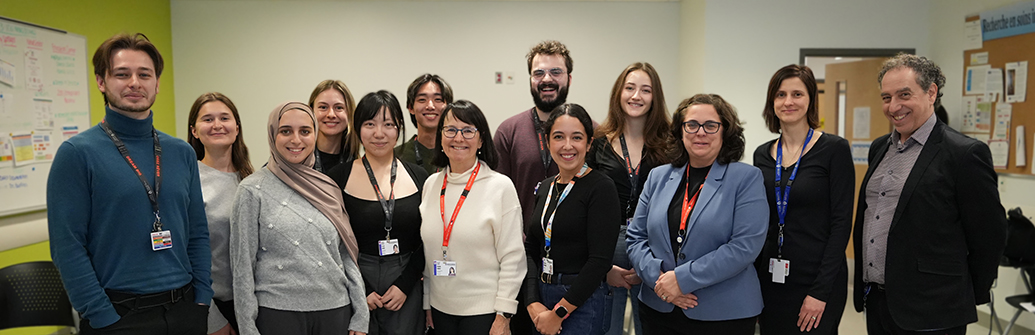
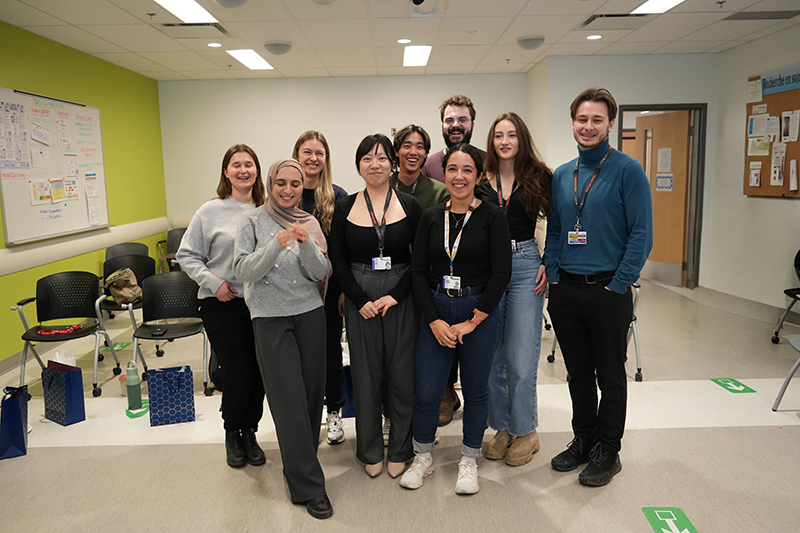
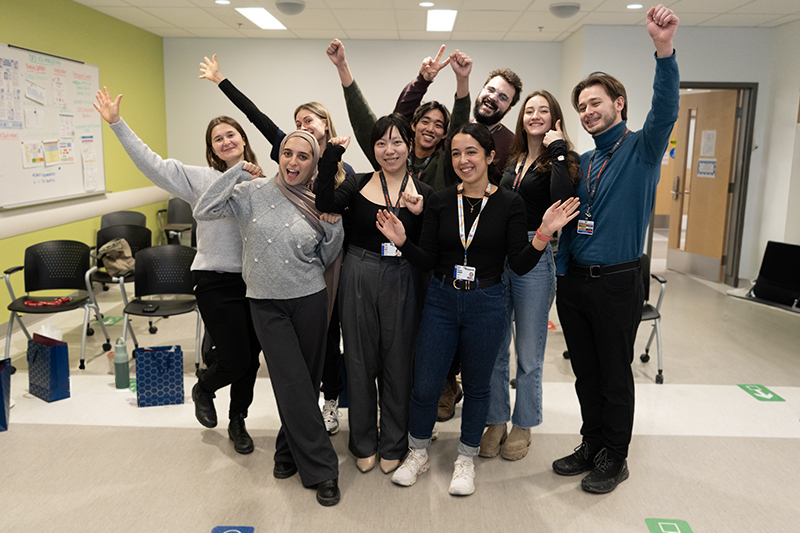
The end of the residency year marks an important milestone for the next generation in pharmacy. This year, nine residents from the programme de maîtrise en pharmacothérapie avancée (MPA) and one resident from the programme de diplôme d’études professionnelles approfondies (DEPA) successfully completed their training.
To highlight this achievement and wish them the very best for the future, Dr. Nicolas Gillot, Director of Medical and Professional Services, Marie-Ève Simoncelli, Director of Education and Simulation, André Bonnici, Pharmacist-in-Chief, Caroline Beauchamp, Associate Chief Pharmacist and Sylvie Carle, Education Coordinator, joined the pharmacy team to pay tribute to the graduates and celebrate the commitment of:
Gaelle Bélanger-Martin, Mikhail Paul-Cardinal, Victoria Dumaine, Fathma Sadmi, Salomé Moindrot-Zilliox, Roman Radetskyy, Thanh Lam Tran, Rachel Verret and Yu Qi Zhou.
What is a pharmacy residency?
After four years of pharmacy doctoral training, graduates earn the title of pharmacist in Quebec and can practise in community pharmacies.
However, those who wish to work in a healthcare institution must continue their studies by enrolling in the MPA, a graduate-level program that includes, among other things, a 12‑month hospital residency, such as at the MUHC. The program aims to develop the ability to provide complex pharmaceutical care in an interdisciplinary context, to contribute to the improvement of pharmaceutical services, and to participate in the design and completion of a research project.
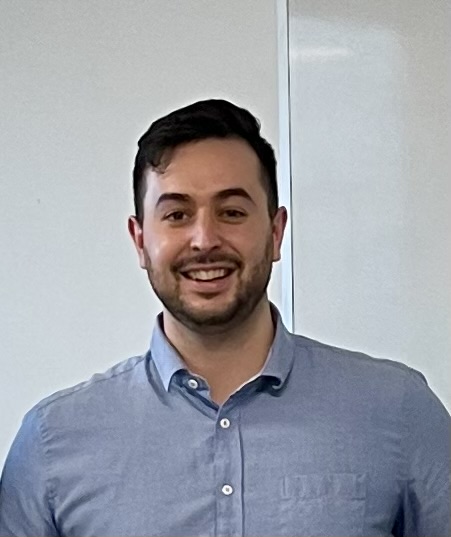
Upon completion of the MPA, it is also possible to further develop one’s skills in a specialized area of practice through the DEPA. This year, William Boudreau is graduating and becomes the very first resident of the DEPA program in critical care, a program offered jointly by the MUHC and the Hôpital du Sacré-Cœur de Montréal.
A valuable contribution to the team
At the event, André Bonnici made a point of highlighting the contribution of the residents:“I would like to congratulate you and thank you for your contribution to pharmaceutical practice. Arriving from university with fresh knowledge, you actively contribute to updating the knowledge of the entire team.”
Sylvie Carle, who closely supported the residents throughout the year, also expressed great satisfaction with the work accomplished. “It is often said that it takes a village to raise children. One could also say that it takes an entire department — and even beyond — to properly guide residents.”
One thing is certain: thanks to the commitment of the teams and the motivation of the graduates, the future of pharmacy is in very good hands!