MUHC in the Media - November 23, 2026
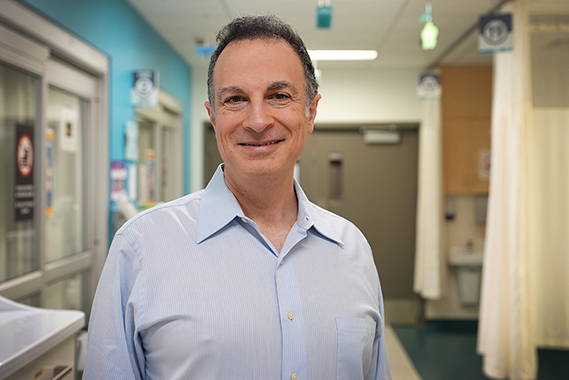
Doctors from around the world will be trained in Montreal
The Montreal Children’s Hospital is leading an initiative to train doctors from developing countries. Created by the Montreal Children’s Hospital Foundation and PartnerOne, thanks to a $10 million commitment, PartnerOne Global Surgery (POGS) will enable specialists from resource-limited settings to come to Montreal to further their expertise. They will then be able to return to their home countries to care for children and share what they have learned. “It's historic,” said the MCH’s surgeon-in-chief, Dr. Sam J. Daniel. Toronto Star, Global News, CTV News, CityNews, Les Affaires, The Canadian Press
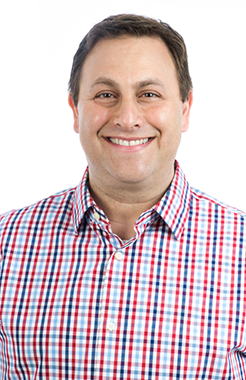
Primary ciliary dyskinesia: a rare respiratory disease that is more prevalent in Quebec
One year after unveiling research findings indicating that a mild form of primary ciliary dyskinesia (PCD)—an inherited disorder—may be more prevalent in Quebec, particularly in the Bas-Saint-Laurent and Côte-du-Sud regions, Dr. Adam Shapiro provides an update on the situation. The researcher, who is the founder of the McGill University Health Centre PCD clinic, continues his efforts to diagnose more cases and encourages family doctors to consider this condition when evaluating certain symptoms. Radio-Canada
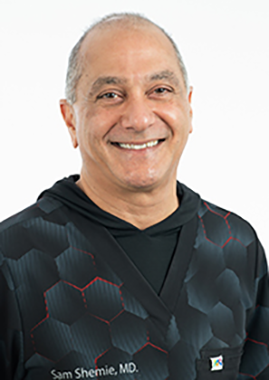
What is death? What is consciousness?
Dr. Sam Shemie, an intensive care physician at the Montreal Children’s Hospital and a researcher at the Research Institute, led an extensive multidisciplinary effort that prompted Canada to adopt a new definition of death in 2023. This definition describes death as the permanent cessation of brain function, characterized by the absence of consciousness and brainstem reflexes, including the ability to breathe independently. An essay explores these questions from different angles. Dr. Shemie explains that when the brain has stopped functioning, there is no chance of consciousness persisting. Nouveau Projet (Article behind a paywall)
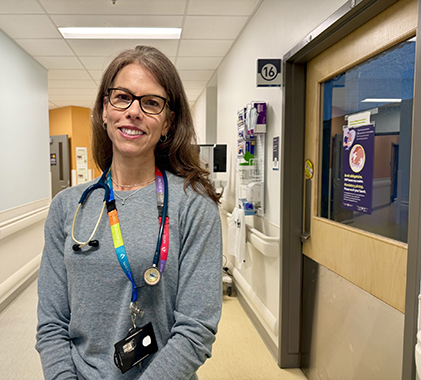
Vitamin K in newborns: increasingly frequent refusals
An increasing number of parents are refusing a vitamin K injection for their newborns. Growing vaccine hesitancy is believed to be the cause, yet vitamin K is not a vaccine, and it protects against the risk of bleeding. Dr. Catherine Henin, head of the nursery at the Montreal Children’s Hospital, never saw any refusals 10 years ago. “Now, it happens every week,” she says. New mothers who refuse the injection must now sign a form acknowledging the risks and are also offered vitamin K in oral form, even though it is less effective. La Presse
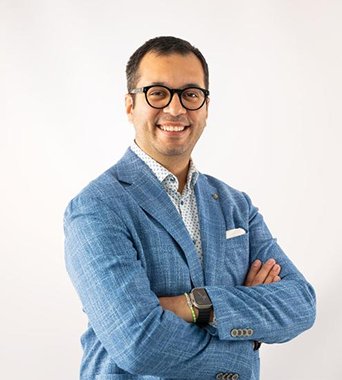
Oncology research on several fronts
Dr. Ramy Saleh, a medical oncologist at the MUHC and medical director of oncology clinical trials at The Institute's Centre for Innovative Medicine, discussed the significant advances in clinical research for cancer treatment made possible by the development of messenger RNA technologies. Interview on CBC's radio program *The Current*.
Dr. Saleh also discussed a new research project underway at the MUHC aimed at evaluating the impact of a helmet designed to counteract hair loss caused by chemotherapy treatments on patients’ well-being. La Presse, CityNews
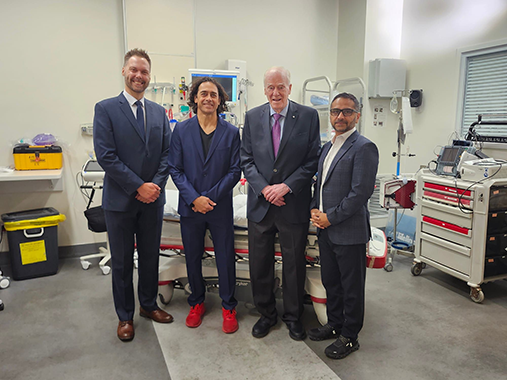
Quebec’s air medical transport takes flight
The development of Quebec’s helicopter medevac service is the result of decades of advocacy and collaboration among healthcare partners. In this article from The Last Ambulance, Dr. Kosar Khwaja, Medical Director of the MUHC Adult Trauma Program, and Steven Di Marco, Manager of the MUHC Trauma and Acute Care System, reflect on the efforts that helped bring this initiative to life and the next steps toward building an integrated system that ensures patients receive the right care, at the right place and at the right time. La Dernière Ambulance
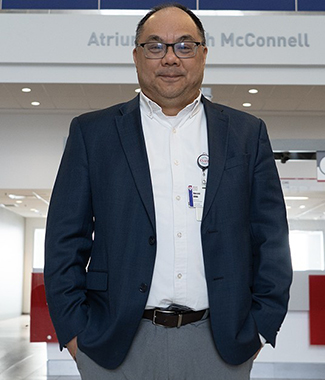
16,500 flu cases detected in Canada since August 31
Dr. Don Vinh, a microbiologist and infectious diseases specialist at the MUHC, notes that the flu virus has its own dynamics, making it difficult to predict when the flu season will peak or how long the peak will last. One thing is certain: flu season is already well underway, and emergency departments are particularly busy, with a significant number of patients presenting flu symptoms. The Globe and Mail
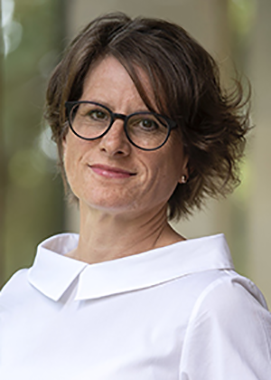
Do we really need more protein?
Stéphanie Chevalier, a researcher at The Institute and a Doctor of Nutrition, comments on the widespread popularity of protein in the diet. InfoDimanche