A summer to learn and grow
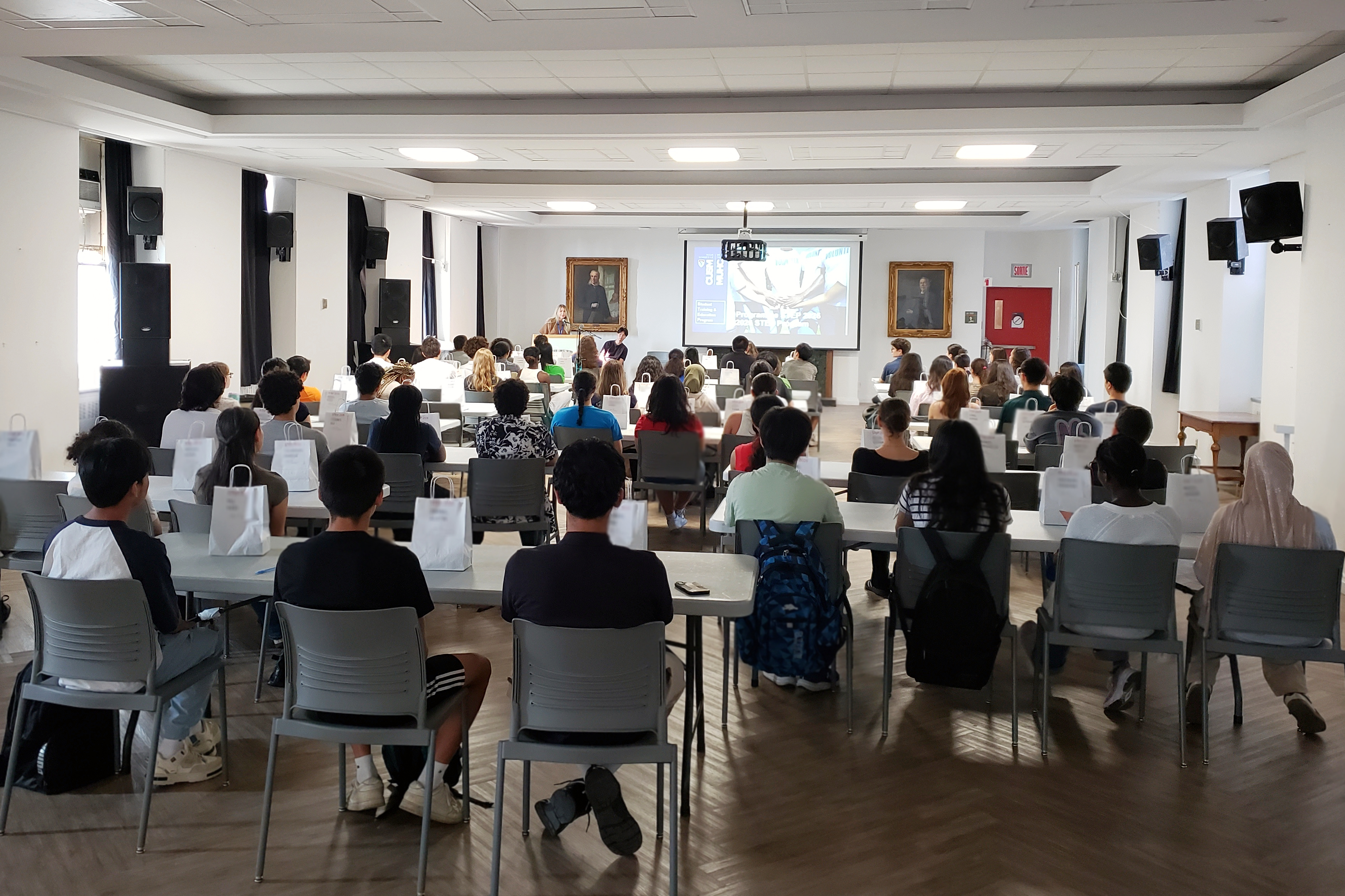
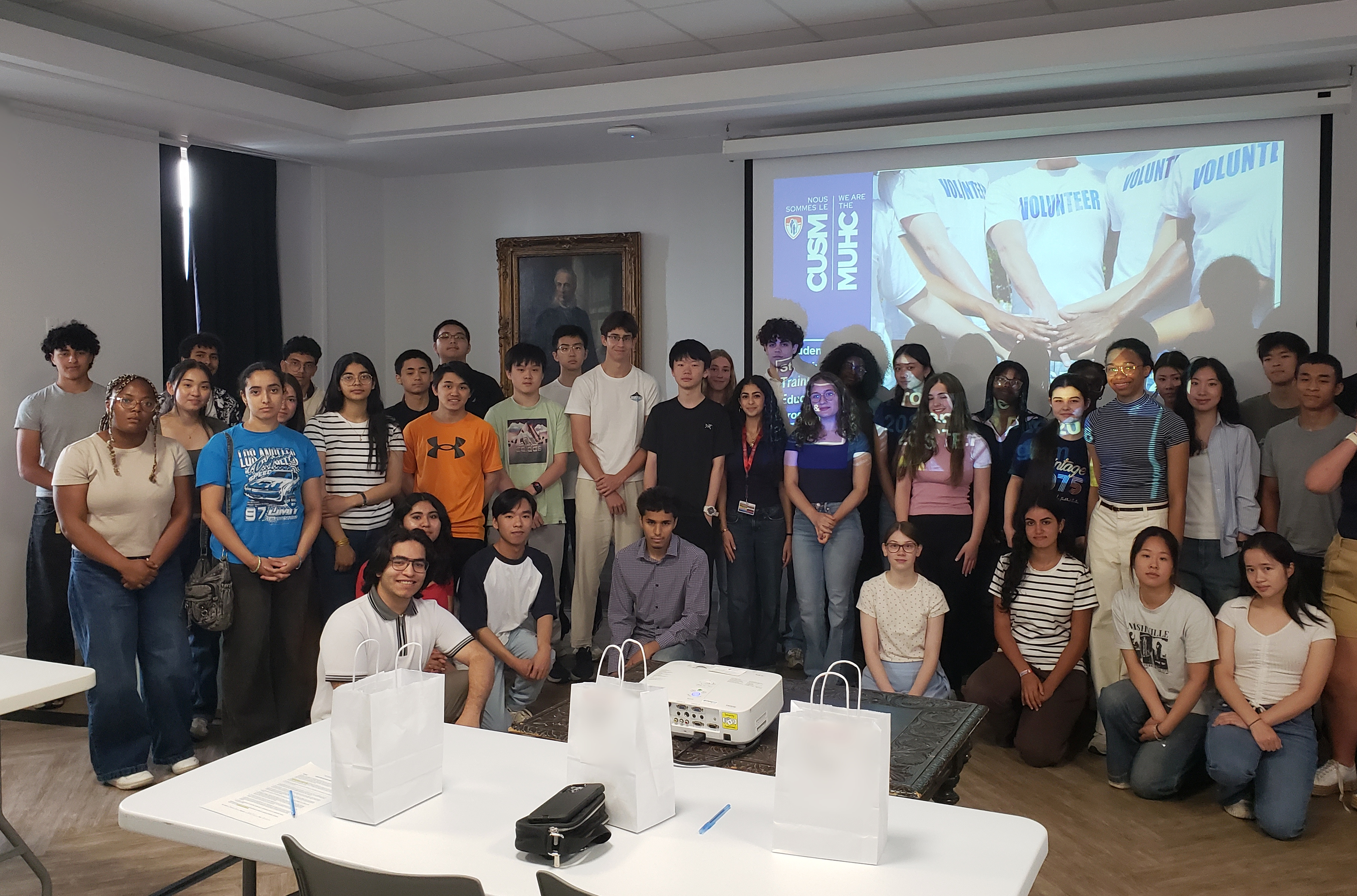
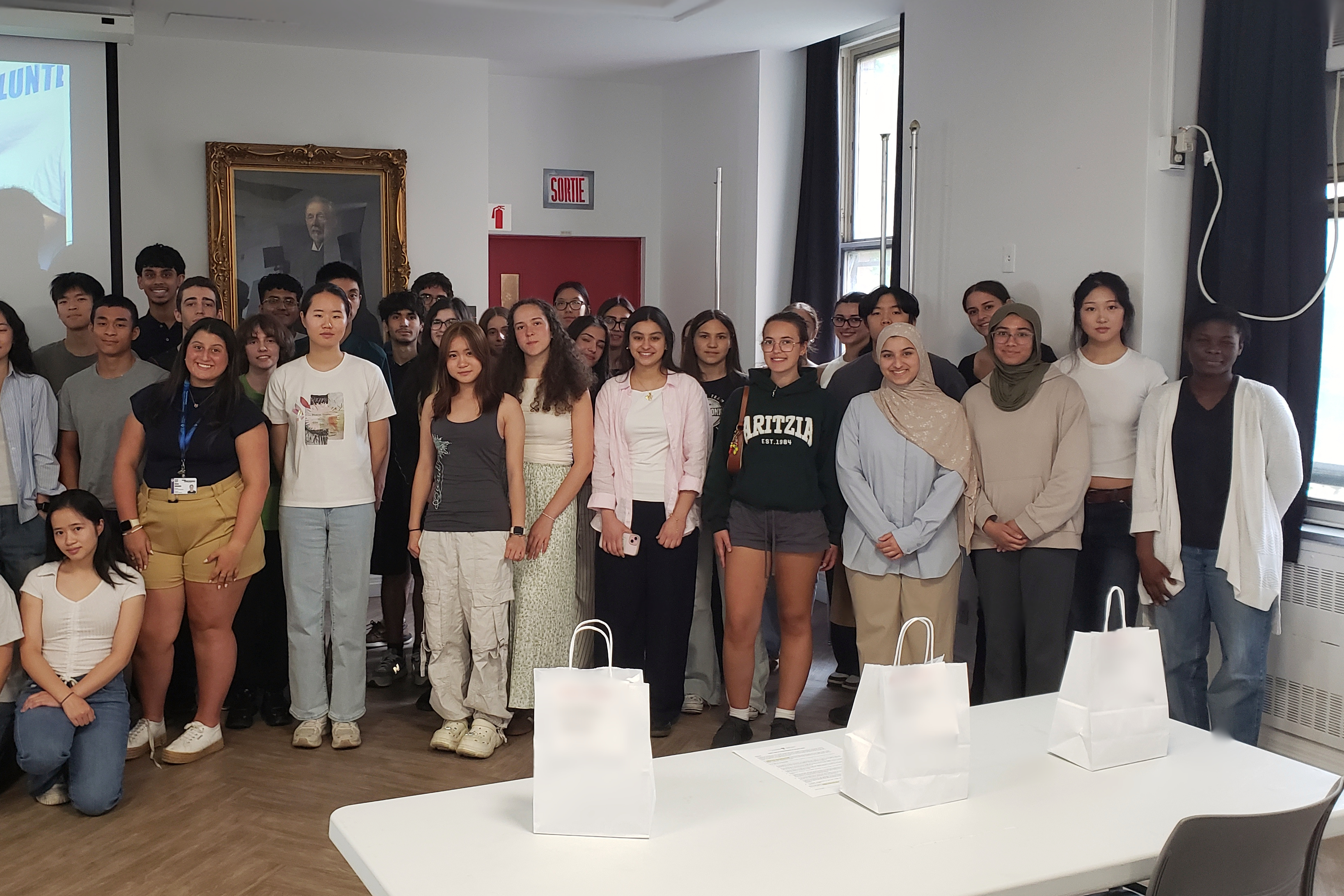
Over 70 dedicated students between the ages of 16 and 18 are fulfilling their commitment to better themselves this summer by spending time with patients and staff at the McGill University Health Centre (MUHC). These students are working as volunteers, and more than that, they are also attending a series of lectures given by different professionals. All of this is part of the Student Training and Education Program, also called STEP, a teaching jewel within our walls.
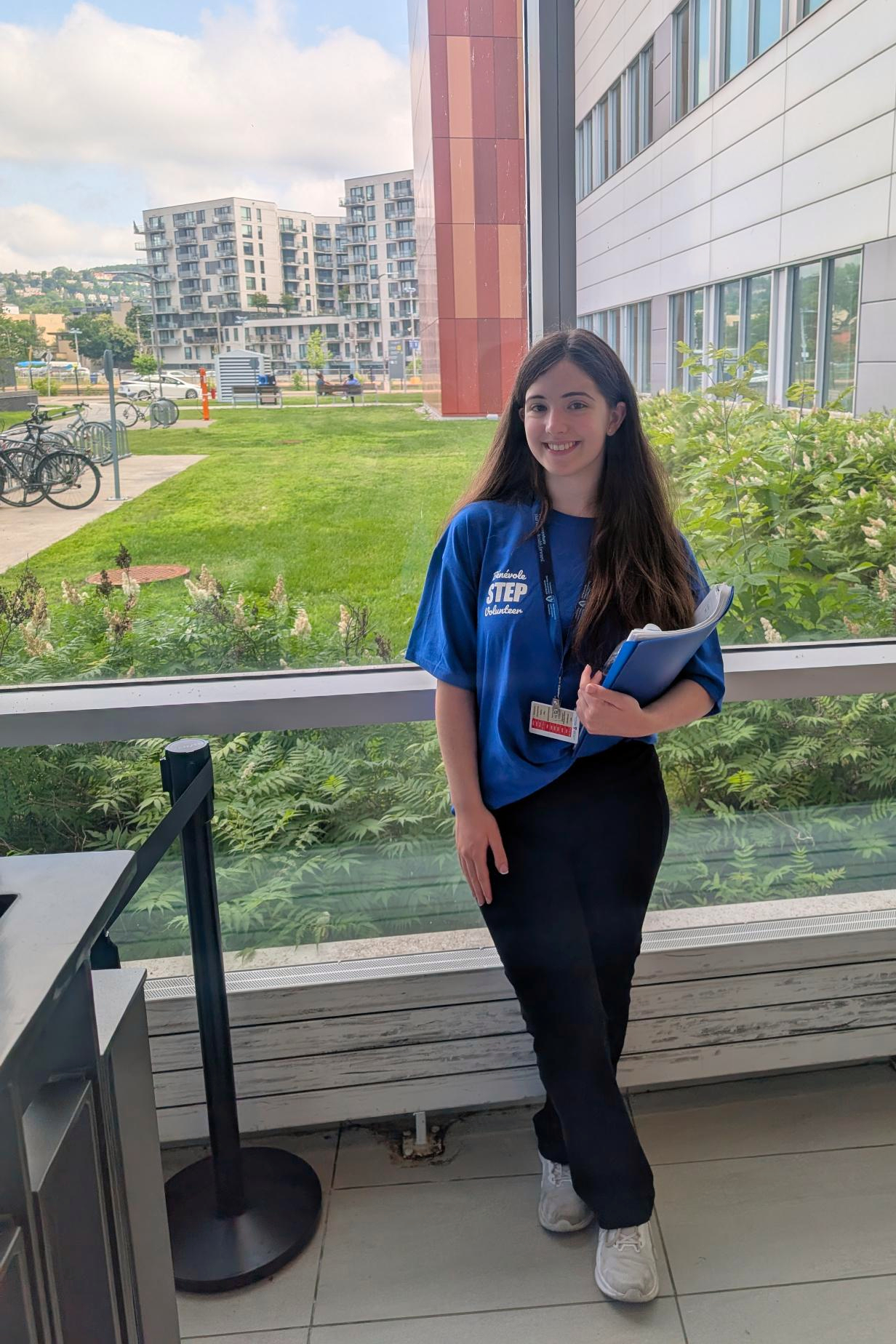
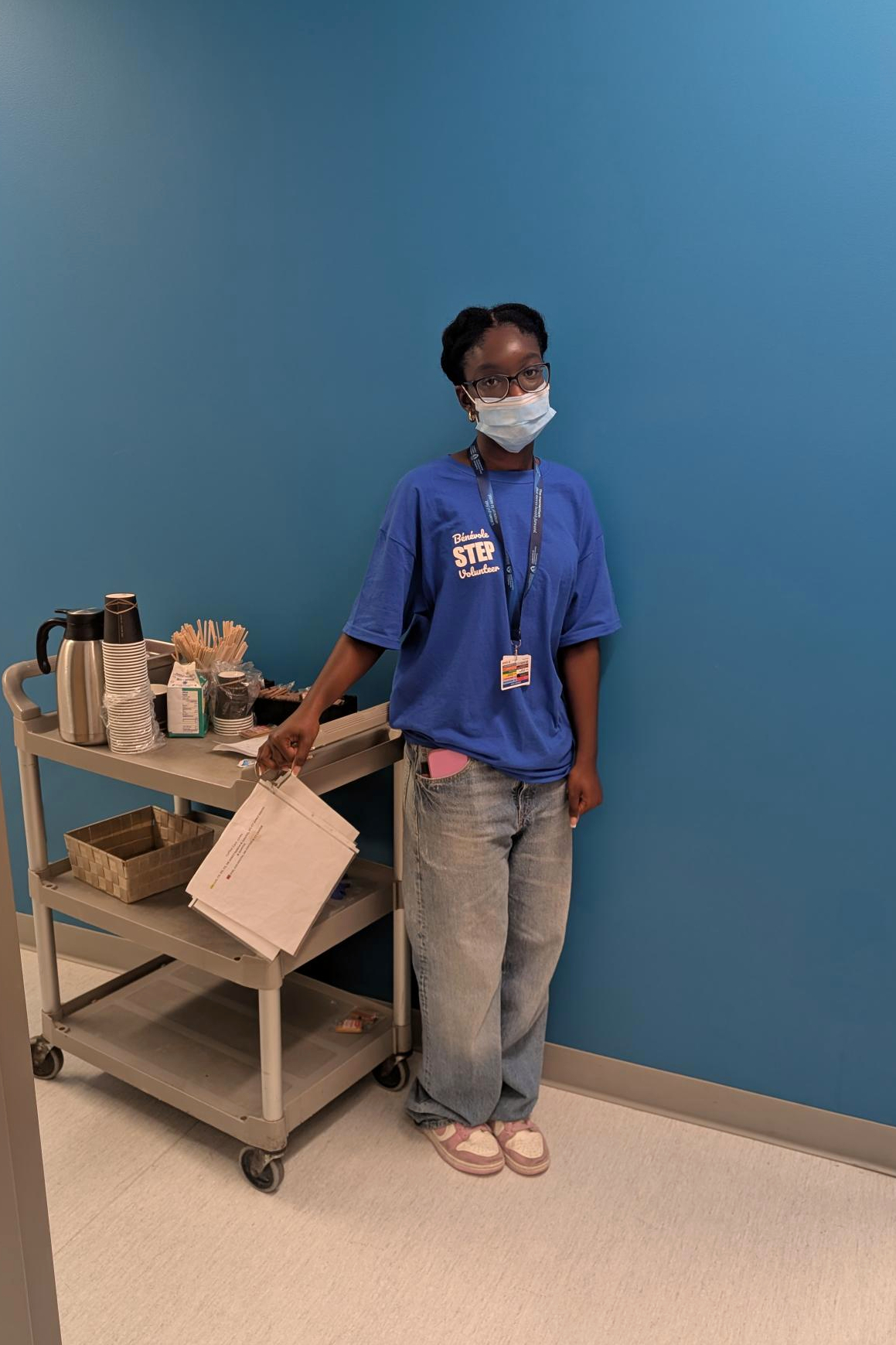
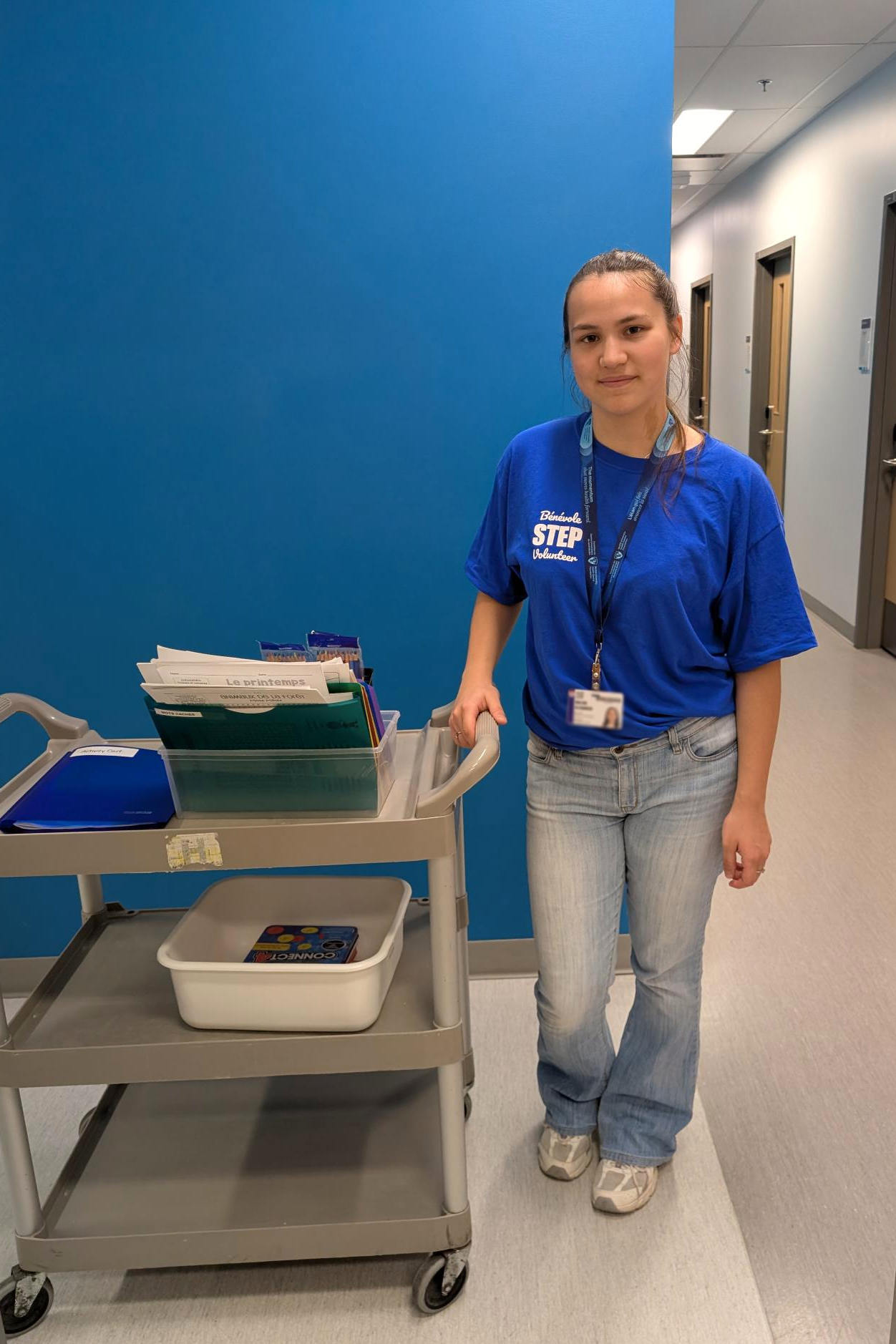
Throughout the months of June, July and August, students will spend a total of 30 hours engaged in various hospital activities. Thanks to the Friends of the MUHC, participants can be spotted wearing a blue t-shirt designed especially for them, which they can keep after the summer as a souvenir.
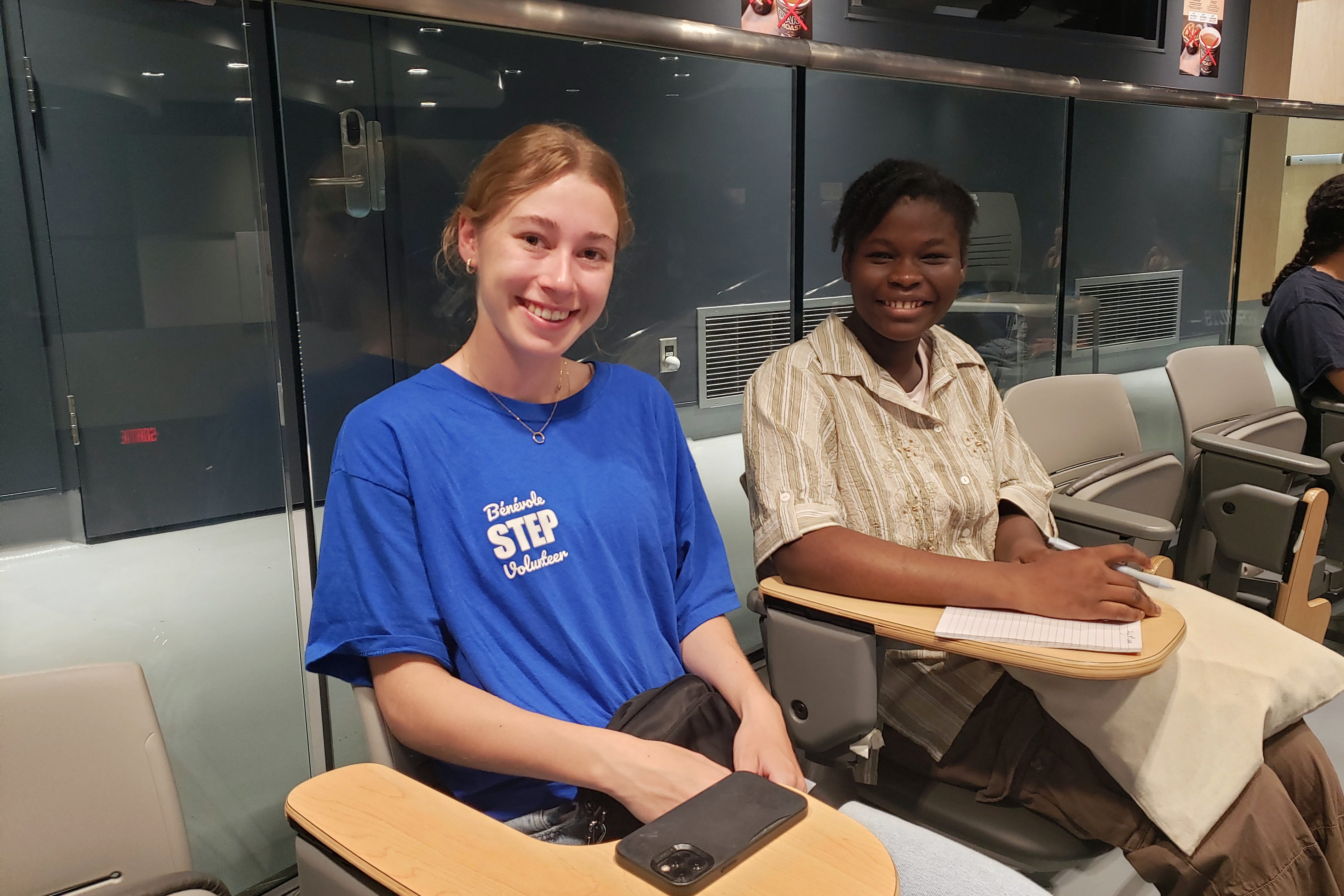
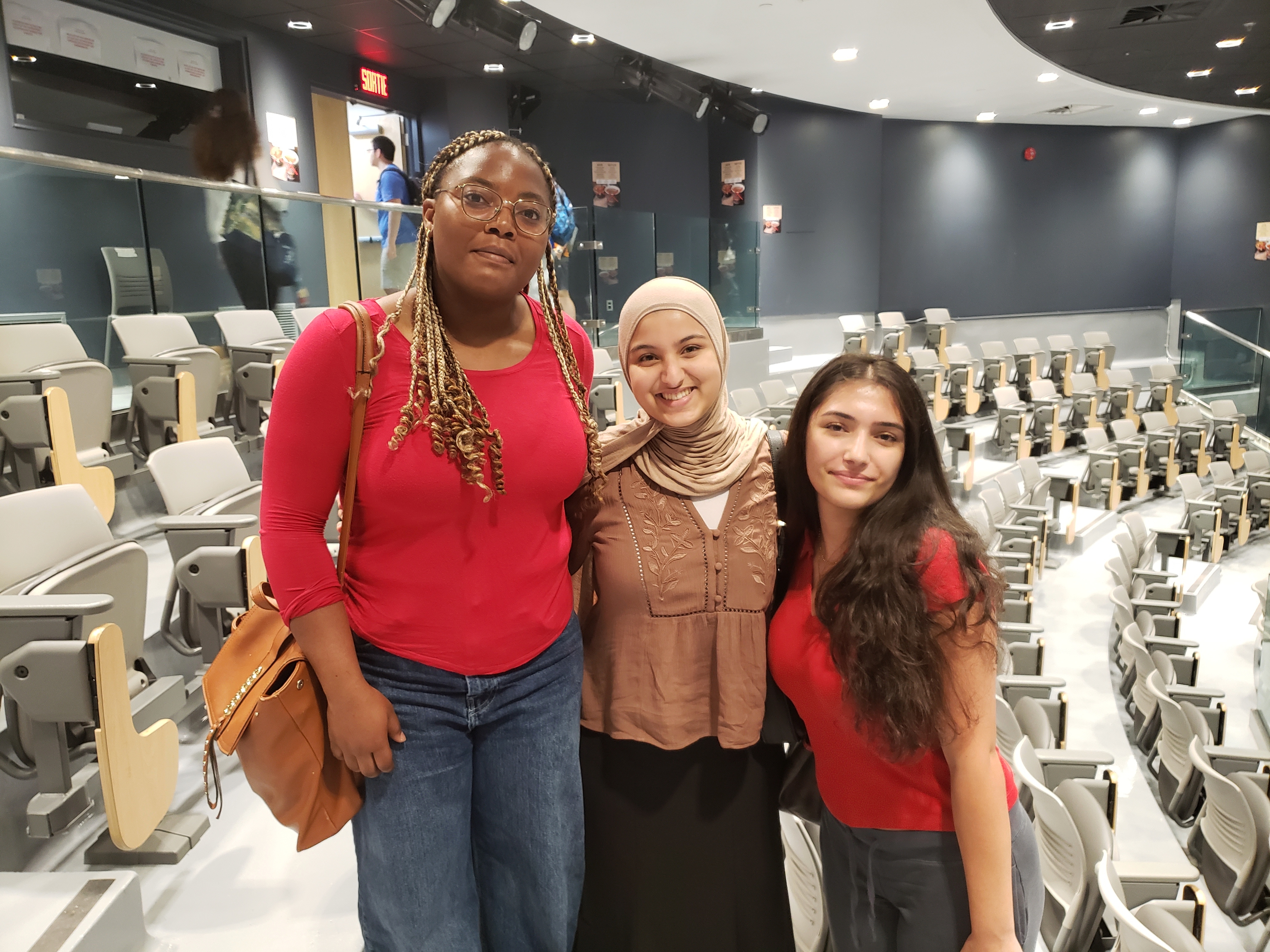
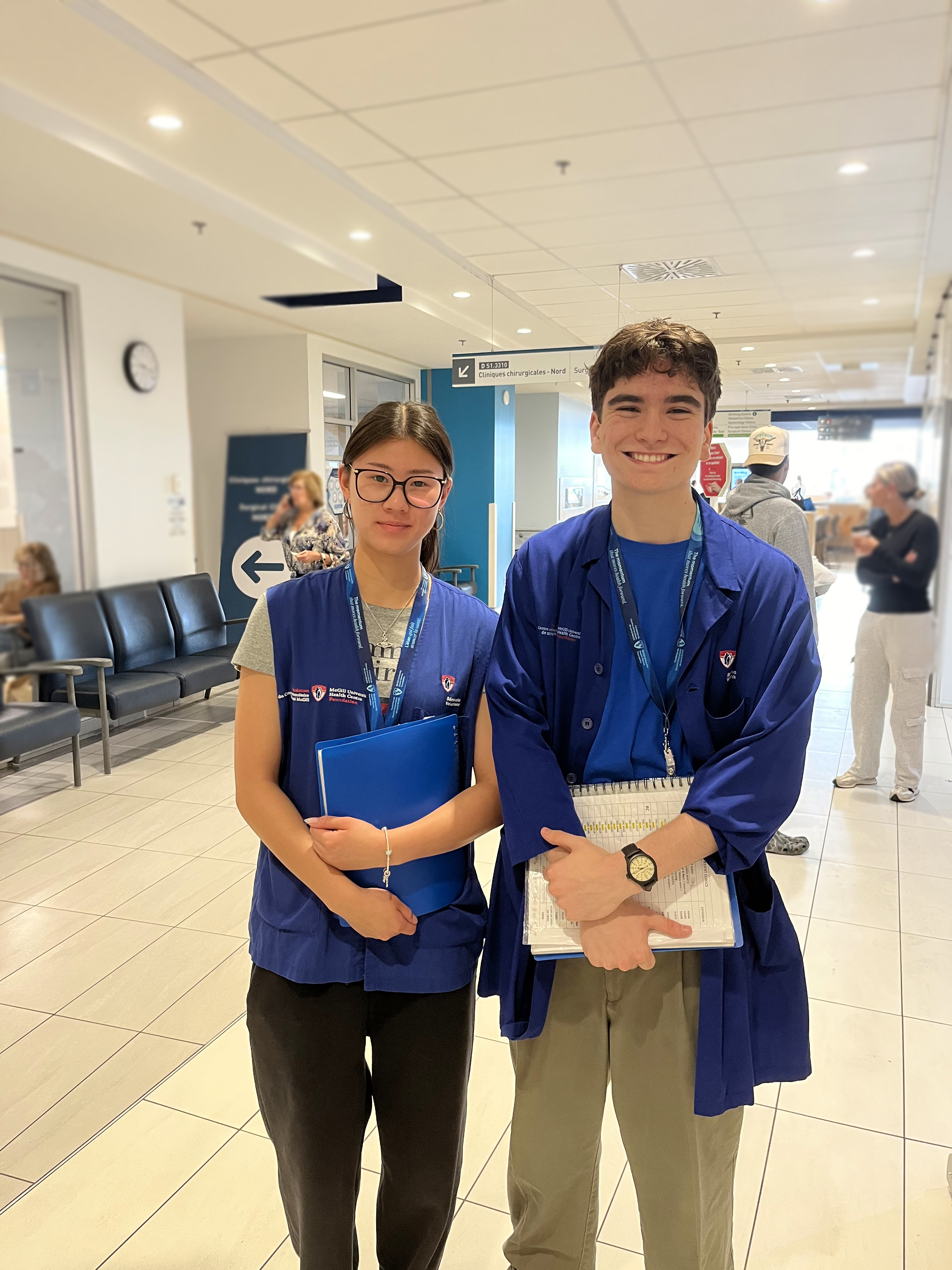
We asked a few participants to reflect on their strengths. What is something good that they see in themselves, which they might bring to healthcare? Their answers demonstrate an intelligence and sincerity that would make us fortunate to see them return to the MUHC in the future.
“I want to be someone who can make a difficult moment a little easier,” shares Stephanie, 17 years old, interested in neurology and surgery. “Every patient has a different story, and healing does not always happen as quickly or as smoothly as we hope. A good healthcare worker needs patience. At its core, healthcare is about making a meaningful difference in someone’s life. The goal is not only to treat an illness but also to care for the person behind it.”
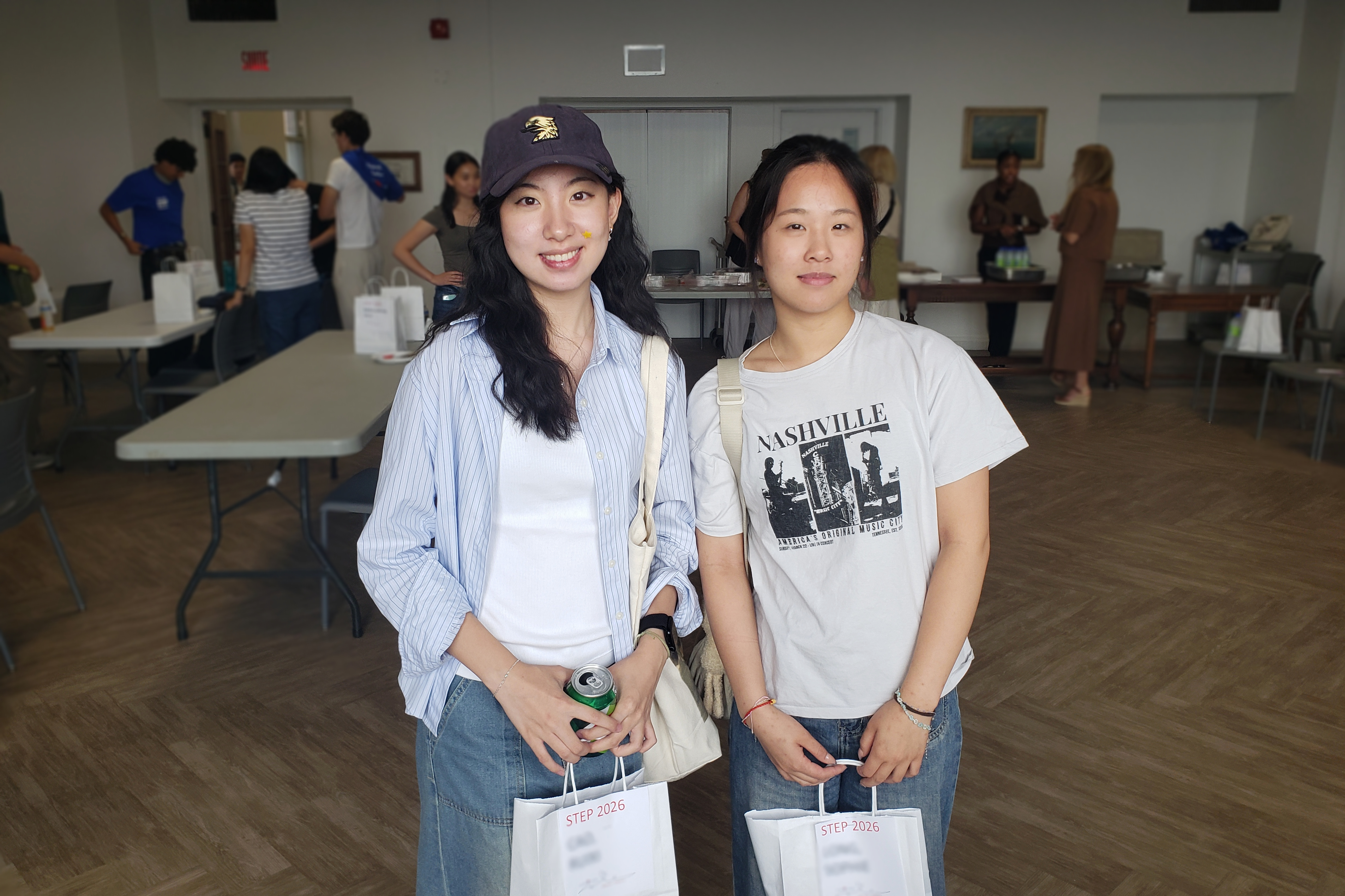
“Adaptability,” states Sahej, who is 16 years old. “Not every research project or patient will go or act predictably, so it’s important to adjust yourself.”
“A good healthcare worker can adapt to different situations,” echoes Erin, 16 years old, going into her last year of high school. “I believe that I am organized. I am able to manage my time effectively, which is an important strength considering that workers can have busy schedules. I would like to be a doctor, but I am still not completely sure which specialty I would like to go in. I believe a good healthcare worker is someone who has great communication skills in order to bring joy to patients.”
“Once I put my heart into something, I make sure to do it completely,” answers Matea, 17 years old. “I also have good people skills and I love learning new things. My dream would be to become a dentist, but there are so many lovely professions. I am also interested in becoming a pediatrician or working with cancer patients.”
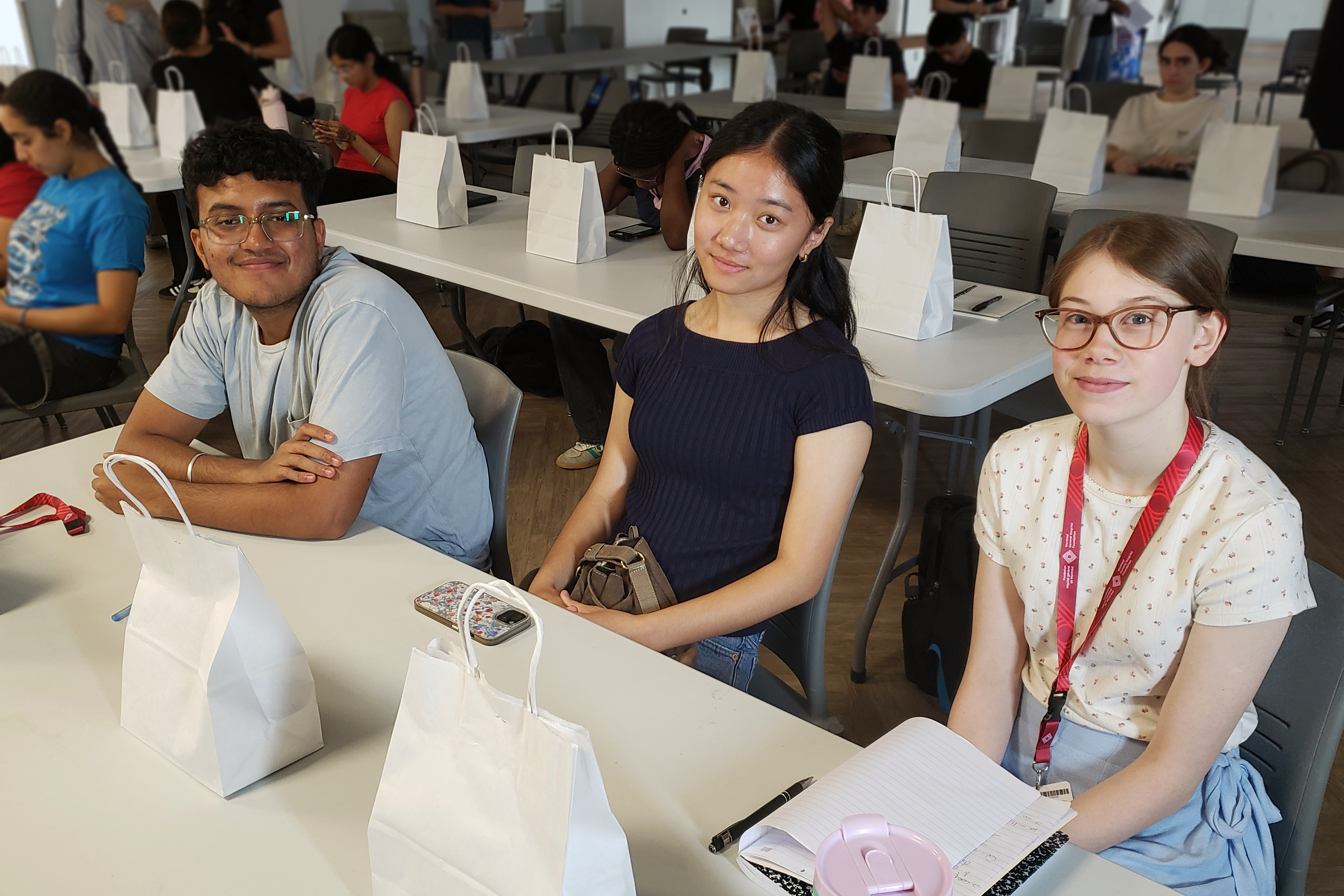
Speeches from various professionalsIf you already work at the MUHC, you may recognize a few names here. These presenters took time to speak with students and answer their questions. |
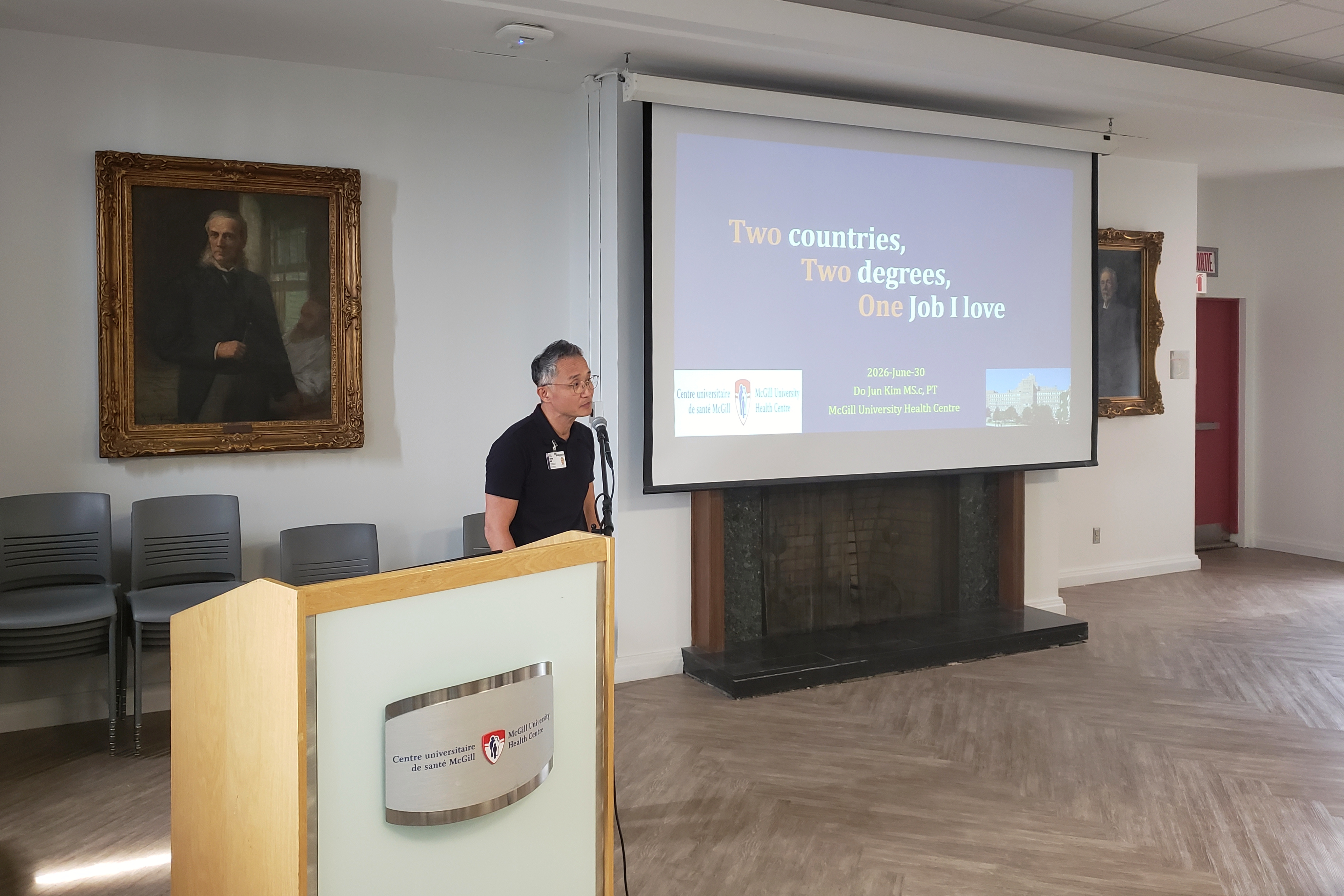
Do Jun (DJ) Kim, Physiotherapist
DJ couldn’t have been more thrilled to present Physiotherapy as a rewarding option within the realm of patient care. His own story begins in Seoul, South Korea, where he earned a Bachelor of Science in Physical Education. The program helped him build a strong understanding of human movement, which increased his love for sports and physical activity.
Some years later, he completed a Master of Science in Exercise Physiology at McGill University, where he took a deep dive into research methods. This degree opened the door for him to pursue clinical training. Finally in 2011, DJ earned a Master of Science (Applied) in Physiotherapy, where his hands-on patient care techniques flourished. This step also earned him his license to practice.
“When this all began in South Korea, I was receiving rejection letters from various universities,” DJ told the students. “The one acceptance letter I got was from McGill, and it was a letter that changed my life. Physiotherapy is a remarkable career. I never dread coming to work.”
To close his speech, DJ showed a picture of patients who got together with members of the care team, and incredibly, they were able to walk all the way to the heights of Mount Royal. DJ played the chorus of Kelly Clarkson’s hit song Stronger, leaving students with something worthy to think about.
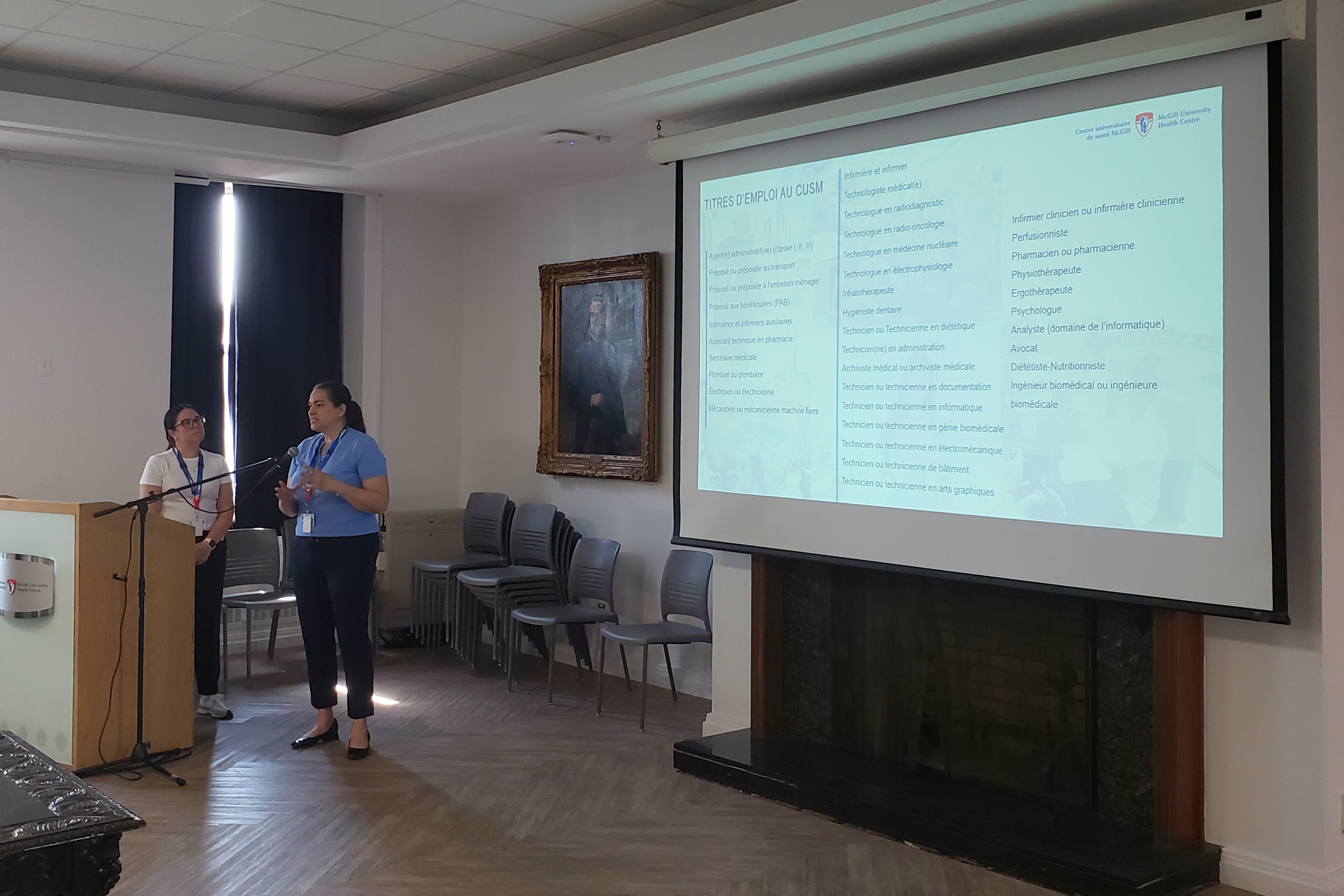
Haroula Volakakis and Joanne Farruggia, Human Resources Advisors
What is your next step? This question was the centre of Haroula and Joanne’s speech, a play-on-words of the program’s very name. The goal of the presentation was to edify the vast array of jobs that keep a hospital functioning:
“Does anyone know what a Perfusionist is?” Haroula asked students. Not a single hand goes up. “Well, there are less than 100 of them in Quebec. They help during open-heart surgery by operating the heart-lung machine, and monitoring the patient’s circulation throughout the procedure. There are over 1000 job titles at the MUHC, which means, over 1000 different careers. There are more roles inside of a hospital than doctors or nurses, which are more commonly known. Every single job in a hospital is extremely important.”
To emphasize her point, Haroula highlighted the many skilled trades that are essential to keeping a hospital running: plumbers, electricians, and technicians who operate and maintain specialized equipment to name a few. The presentation also provided tips for writing a nice CV.
Jesse Burns, Speech-Language Pathologist (SLP) and manager
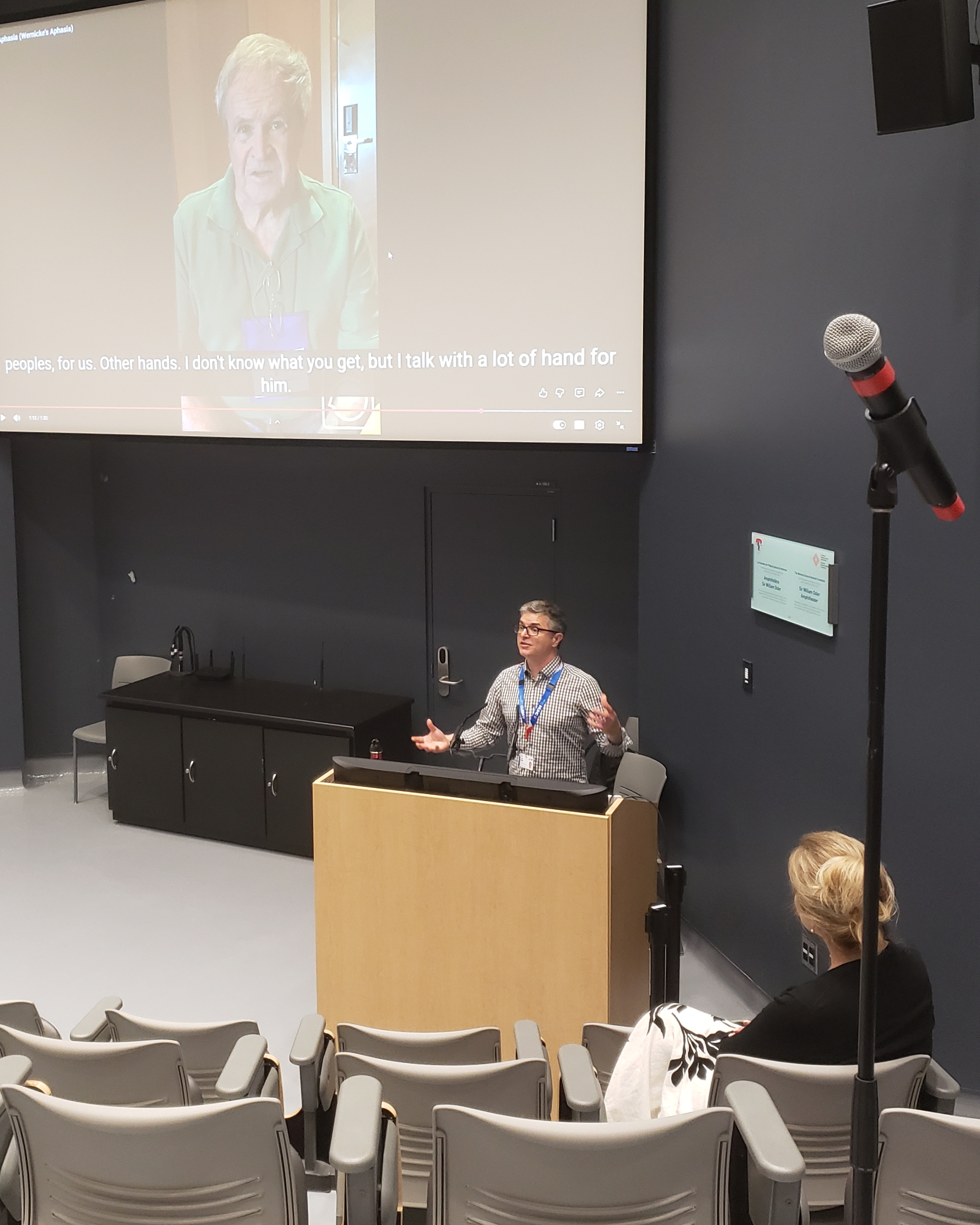
Students remained engaged as Jesse Burns took to the stage. His story began at Dawson College where he studied Social Sciences, but at the time, he didn’t know where he saw himself working in the future. He went to Concordia University and graduated with a Bachelor’s degree in Psychology. It was his personal interest in linguistics, however, that pushed him to take a defining step: Jesse went on to complete a Clinical Master’s degree in Speech-Language Pathology, and by 2012, he was a practicing Speech-Language Pathologist (SLP) with a fulfilling career ahead of him.
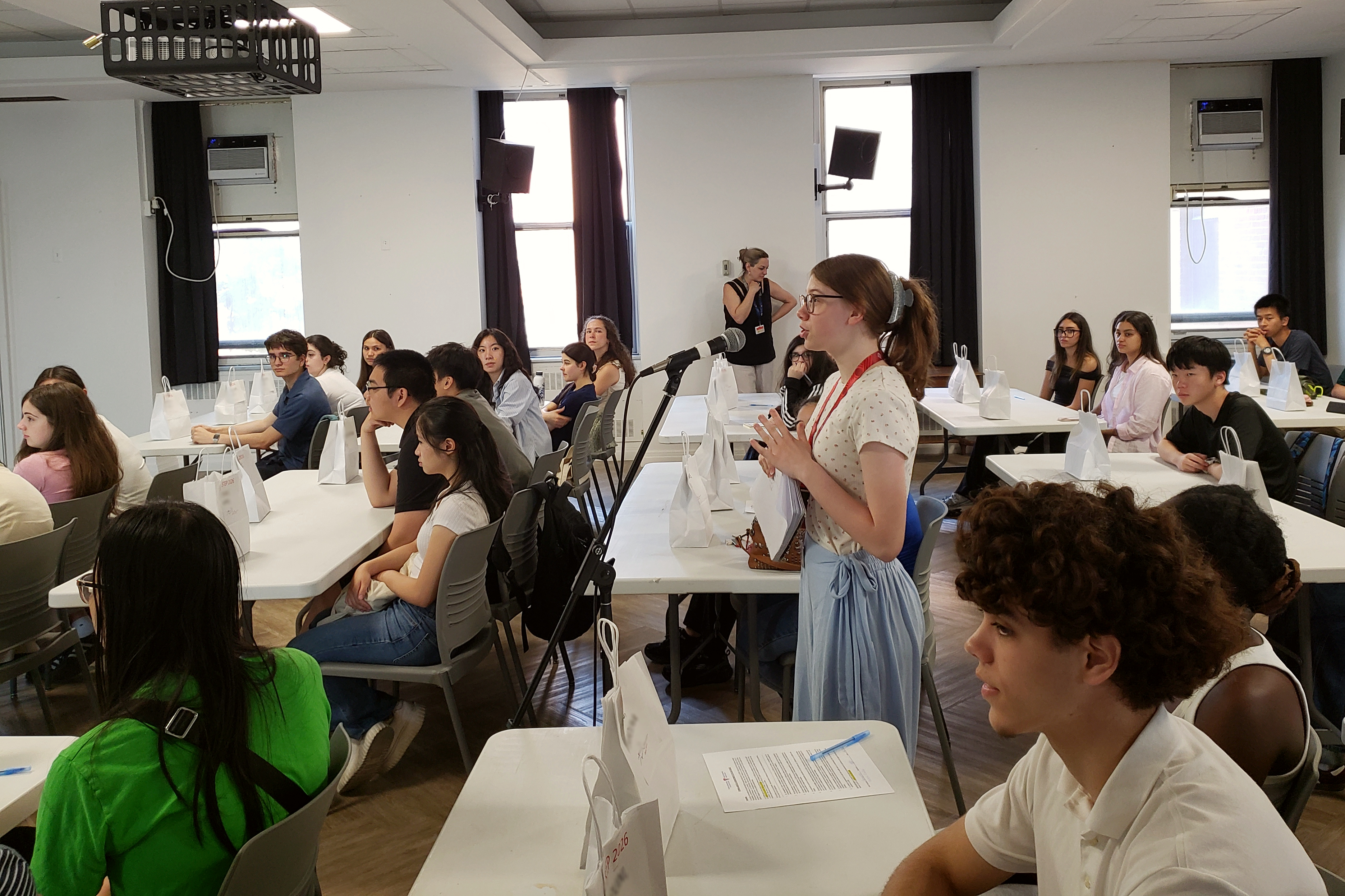
Students were fascinated as he explained the unique role of an SLP; how they work inside clinics, schools, rehabilitation centres, and even tech companies. Students felt comfortable to ask many questions: How do linguistic accents affect speech therapy? Can stuttering be cured? Does aphasia impact a patient’s inner voice? (In other words, the thoughts in their head)? Jesse addressed each curious spirit with information and poise. He inspired students with examples of successful patient stories at the MUHC.
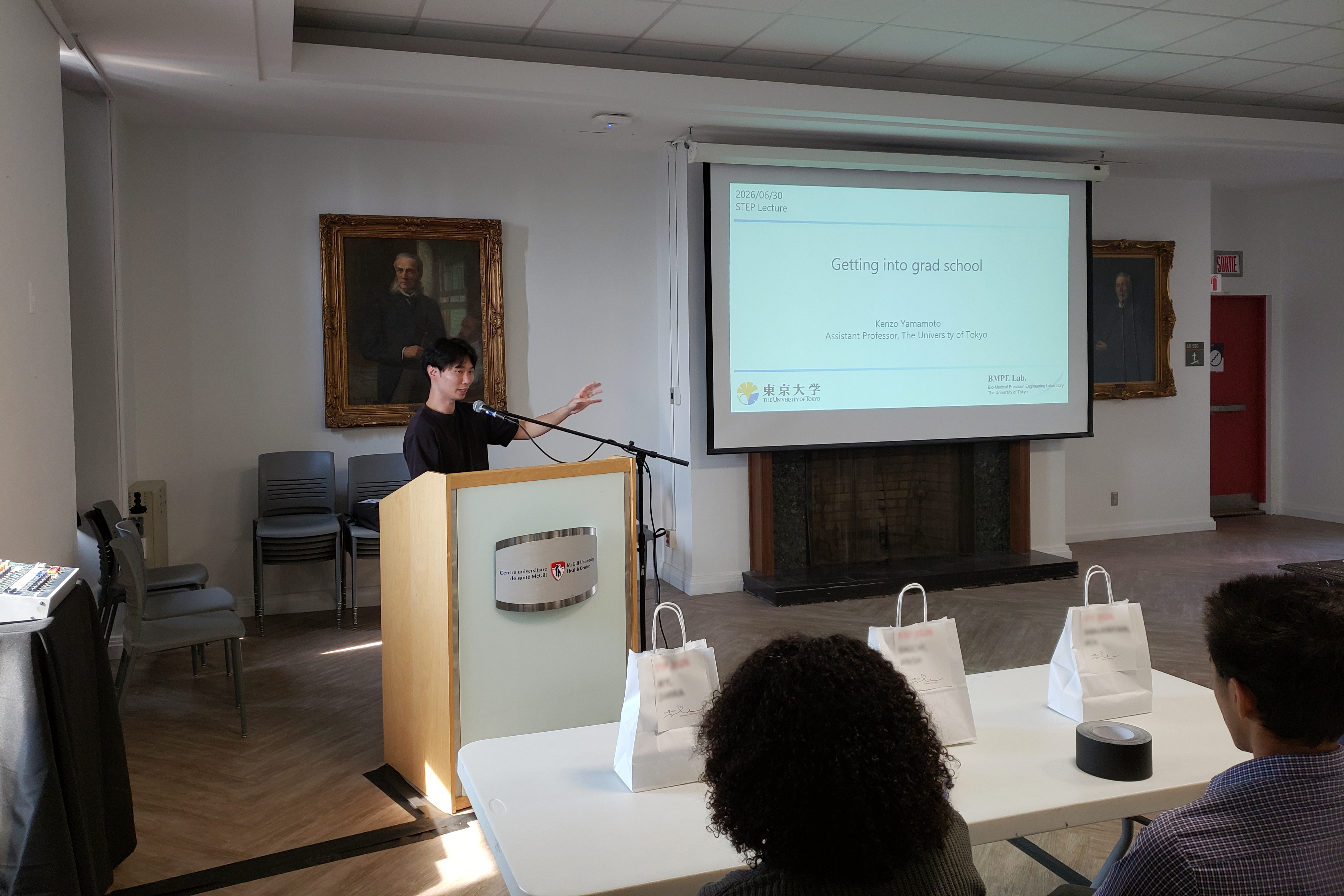
Kenzo Yamamoto, former STEP student
Students heard from Kenzo Yamamoto, who participated in the STEP program ten years ago himself as a keen student. Today, Kenzo is a researcher in biomedical technology in Japan. He specializes in the creation of artificial blood vessels, driven by a goal to reduce the body’s immune responses (which may cause rejection).
Kenzo spoke about grad school to students wishing to emulate his path: “During interviews, the people who are considering you are not expecting perfection. They more so want to see your communication skills and if you can admit that you’re wrong somewhere. It’s always good to show that you’re teachable.”
And to all students, Kenzo advised, “Deciding your career is not strictly about finding something that interests you; consider also what your personal strengths are.”
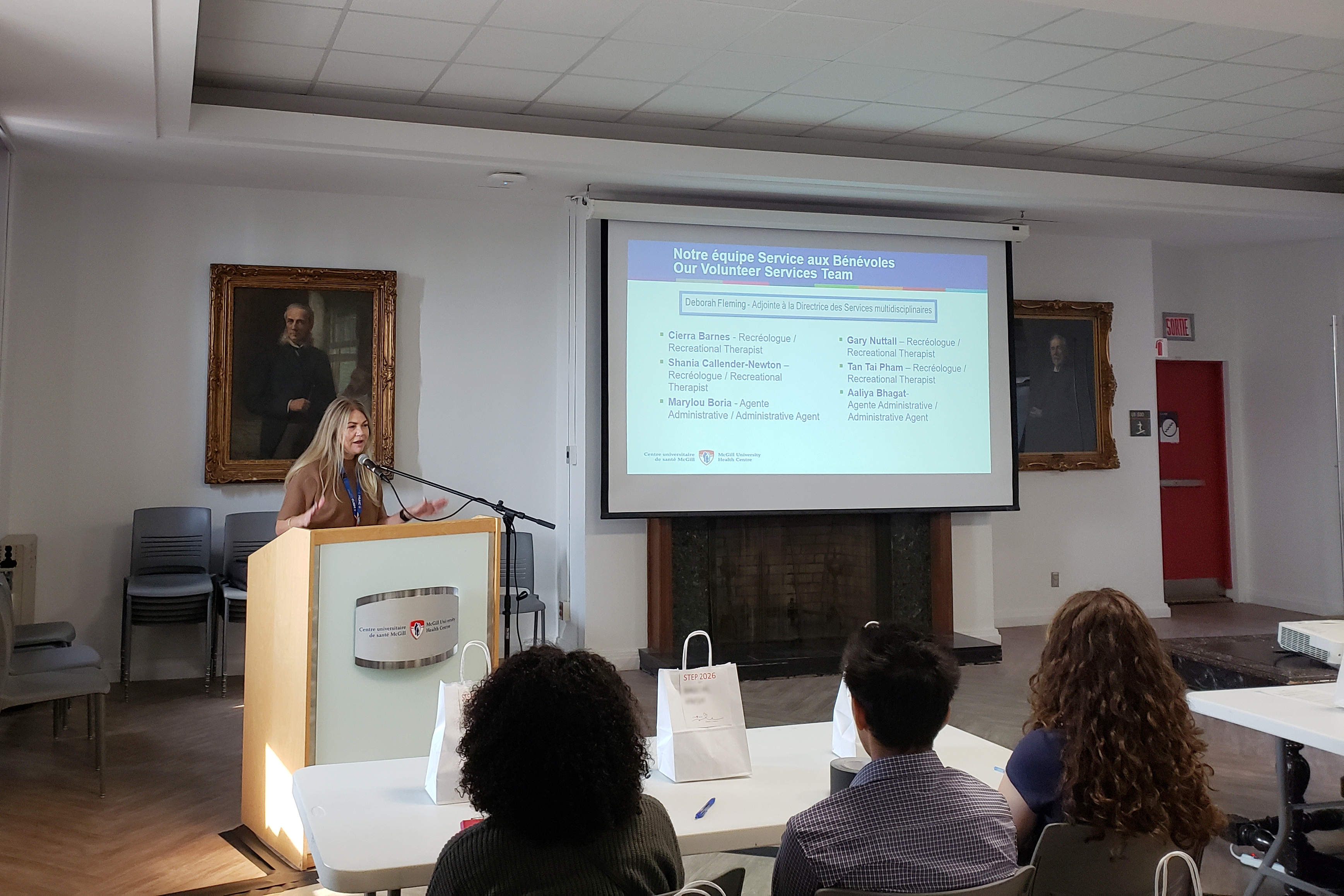
A big thank you to Deborah Fleming, Marylou Boria, Aaliya Bhagat, Cierra Barnes, and Gary Nuttall for organizing an exciting itinerary this year! |