Quebec’s Genomic Medicine Policy will advance precision medicine
For years, scientists and clinicians at the McGill University Health Centre (MUHC) have worked to advance precision medicine through discoveries in genomics, the study of the complete set of instructions encoded in a person’s DNA. We are pleased to announce that the Government of Quebec has released its first-ever Politique québécoise en médecine génomique (Quebec Genomic Medicine Policy), a framework dedicated to the ethical, equitable, and sustainable expansion of genomic medicine across the province.
Looking ahead, the policy will help clinicians better anticipate disease risk and refine diagnoses for patients and their families.
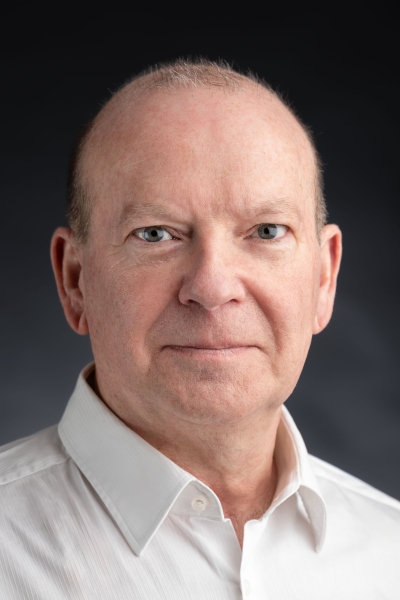
Dr. Alan Spatz, medical director of Optilab Montreal-MUHC and president of the Cancer committee of the Réseau québécois de diagnostic moléculaire (RQDM), acted as one of a small group of experts invited by the Ministère de la Santé et des Services sociaux (MSSS) to help shape the policy:
“This policy is a decisive step for Quebec. It gives our laboratories the standards, the infrastructure, and the coordination we need to move genomic testing from a handful of specialized centres into routine, equitable practice across the province, which means faster answers and more personalized care for patients wherever they live,” shared Dr. Spatz.
Genomic discoveries translated into everyday care
Patients are already benefiting from genomic discoveries translated into everyday care. At the MUHC, a research team led by Dr. Julia Burnier is advancing ‘liquid biopsy’ approaches that use minimally invasive samples, such as blood and saliva, to detect and analyze cancer-derived DNA. These technologies have the potential to transform how cancer is detected and how patients are monitored throughout their care. In Quebec, some liquid biopsy tests are already available clinically, while research teams such as Dr. Burnier’s are developing new approaches aimed at expanding their use.
“Genomic medicine is allowing us to look beyond symptoms and better understand the underlying biology of each patient’s condition,” explains Dr. Burnier. “We have the opportunity to detect disease earlier by using genomic information, and now, the priority is to ensure that these advances move from research into practice.”
.jpg)
Through international collaborations such as those by Burnier’s group, the MUHC has established itself as a leading voice in genomic medicine thanks in large part to the work underway in the OPTILAB Division of Molecular Genetics. Our continued participation in the RQDM reflects a shared vision: accounting for the fine-grained variations in a person’s DNA, to help us offer more tailored therapies and have more nuanced conversations with patients and families.
Precision medicine in practice
The Quebec Genomic Medicine Policy is a proud first for the province and the product of several years of collaboration among clinicians, researchers, and patient groups. It addresses the practical challenges of bringing genomic medicine to the whole population: workforce training, laboratory capacity, equitable access to genomic services, and each person’s right to decide whether to learn about hereditary risks that may affect them. As one MUHC oncologist, Dr. Ramy Saleh, put it:
“Precision medicine is transforming oncology by allowing us to move beyond a one-size-fits-all approach. By understanding the molecular and genomic characteristics of each patient’s cancer, we can select treatments more intelligently, avoid ineffective therapies, and offer patients and their families clearer, more personalized guidance. This policy is an important step toward ensuring that these advances are accessible to patients across Quebec, regardless of where they receive their care.”