Lessons from 50th anniversary of Congress on Palliative Care
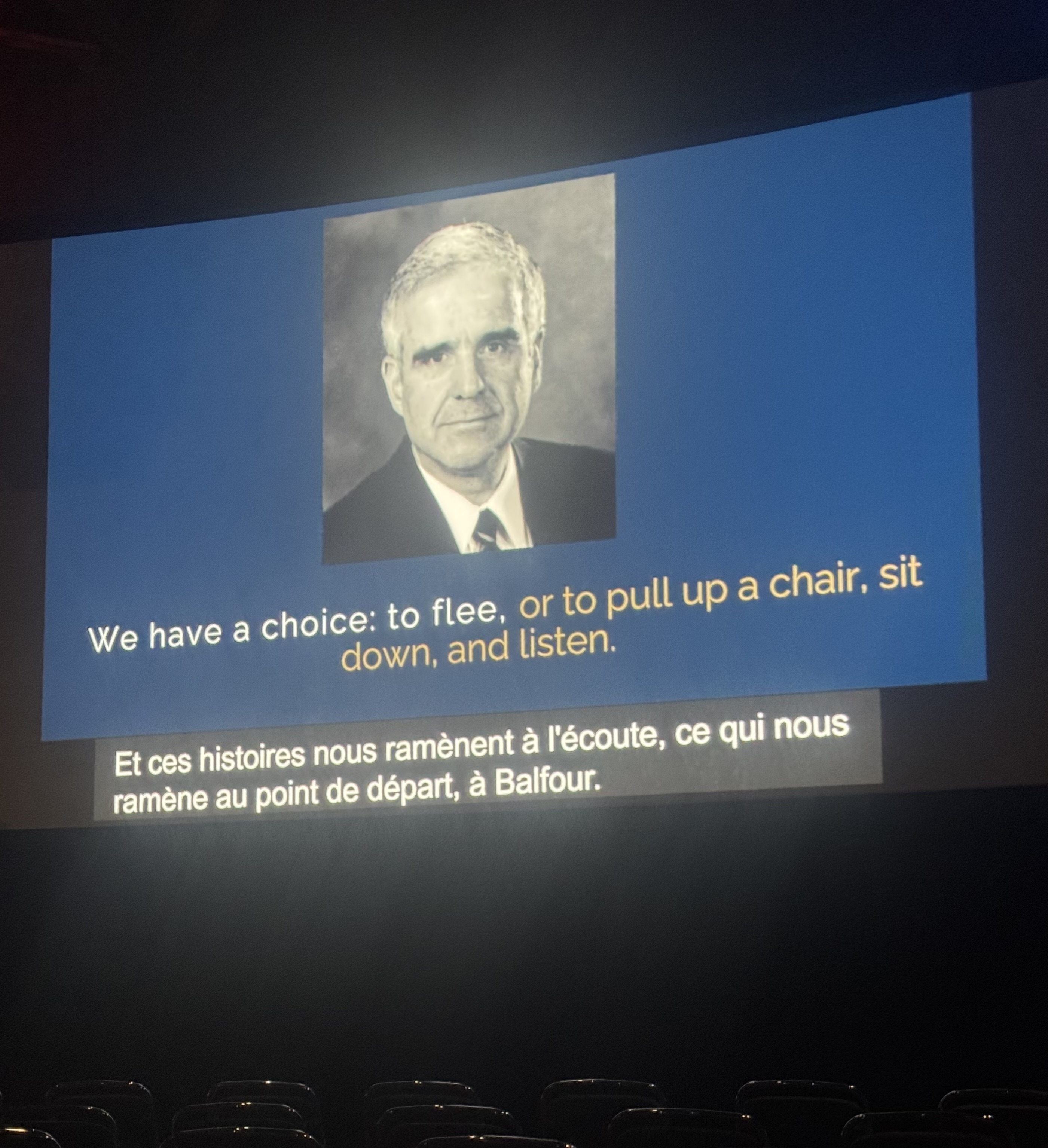
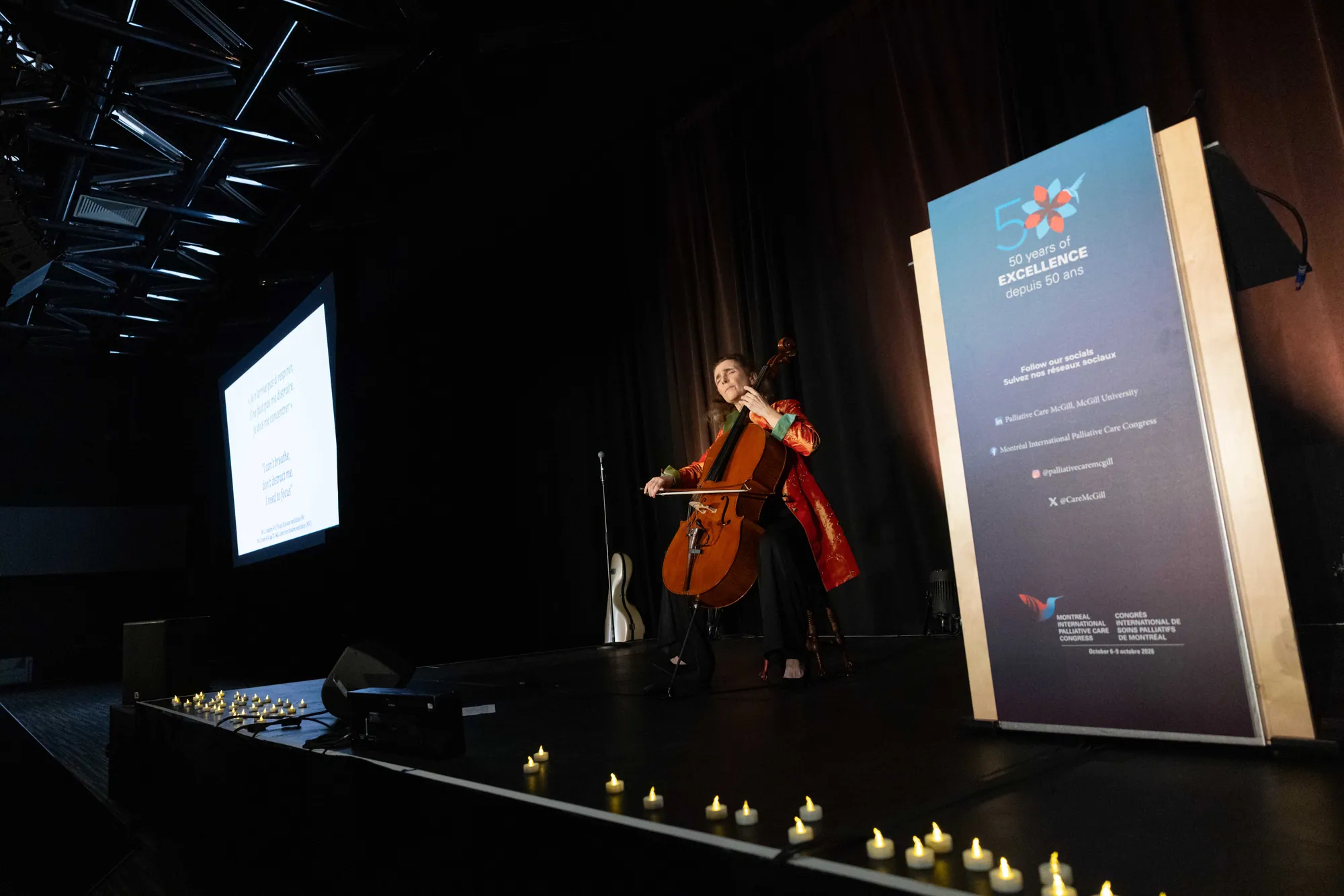
When Dr. Balfour Mount organized the first congress on care of the terminally ill in Montreal in 1976, he helped launch a movement that would transform how healthcare professionals support people living with serious illness. Today, The Montreal International Palliative Care Congress is recognized as one of the world's leading interdisciplinary palliative care conferences.
Dr. Mount believed in fierce dignity over fierce disease. He championed joy until the very end of life, convinced of the care team’s potential to go further than medicine sometimes can. Although Dr. Mount passed away in 2025, he has left in this world an enduring legacy and roadmap for treating the whole person, and not simply the illness.
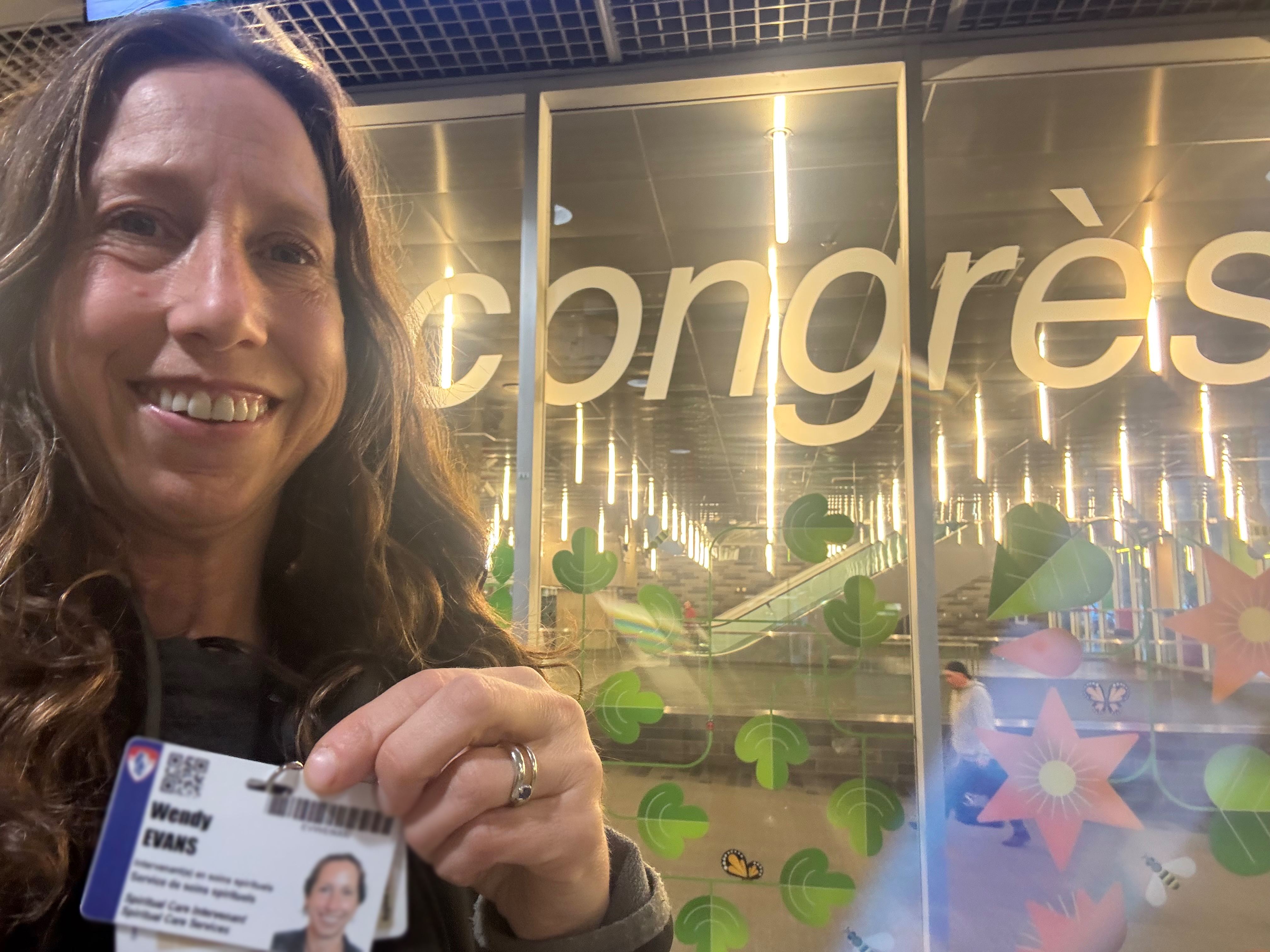
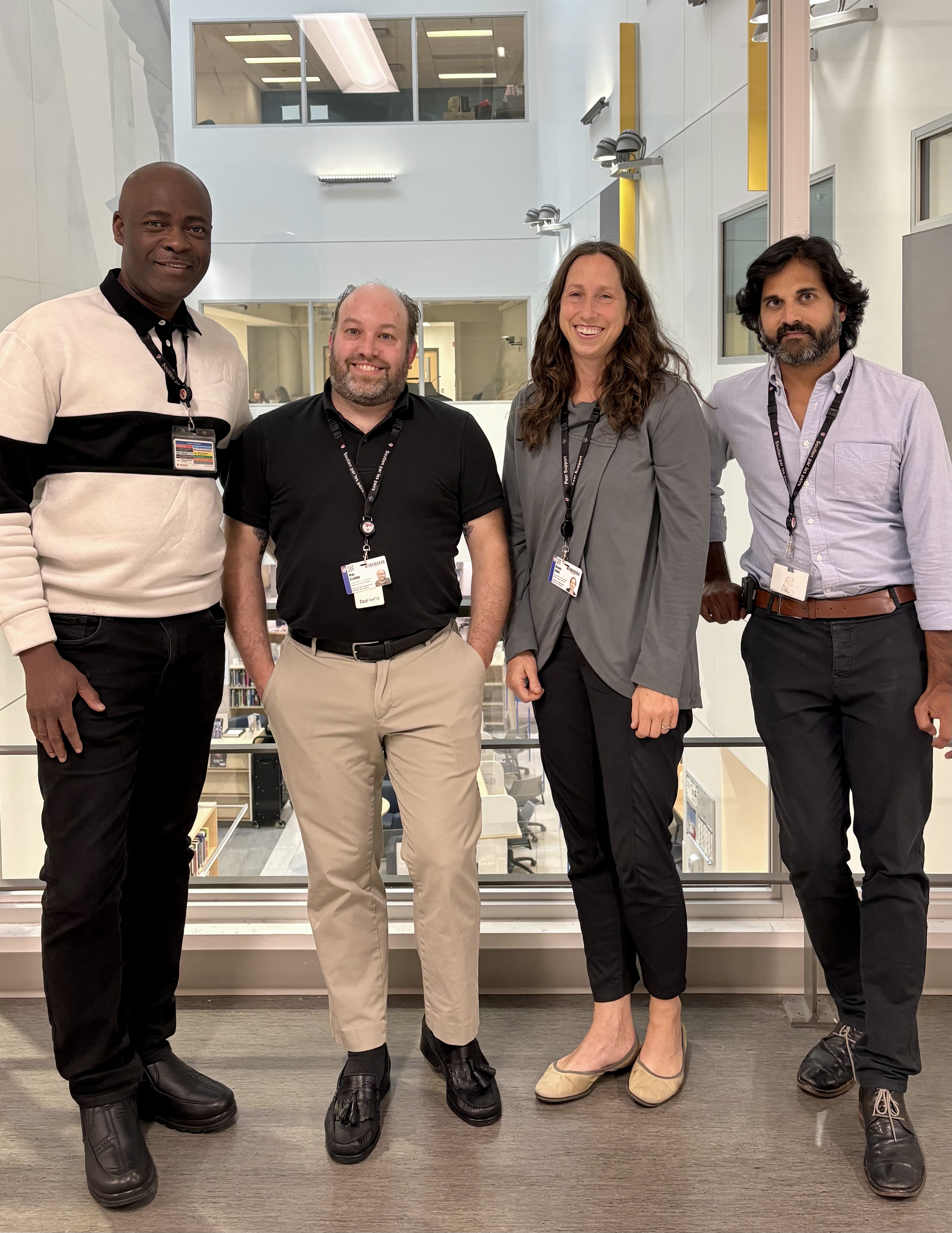
Spiritual Care Professional, Wendy Evans, along with many other MUHC colleagues, was in attendance at this year’s 50th anniversary edition of the congress. Wendy returned to work feeling uplifted and eager to share.
Balfour Mount’s enduring legacy
Spanning over four days, the congress reminded Wendy of the heart of palliative care, which overlaps with her work as a Spiritual Care Professional: “We do not just see a person with a disease. We see a whole person,” she clarifies. “That recognition itself can be deeply healing to patients, because it restores their dignity.”
Spiritual care is one of the core pillars of palliative care and, with its focus on helping navigate deep and universal human needs, is available to everyone regardless of their belief system. Wendy and her spiritual care colleagues at the MUHC are able to offer a wide range of support at any stage of illness. At the end of life, Spiritual Care Professionals can facilitate a life review, legacy building, requested rituals, as well as emotional, existential, and grief support.
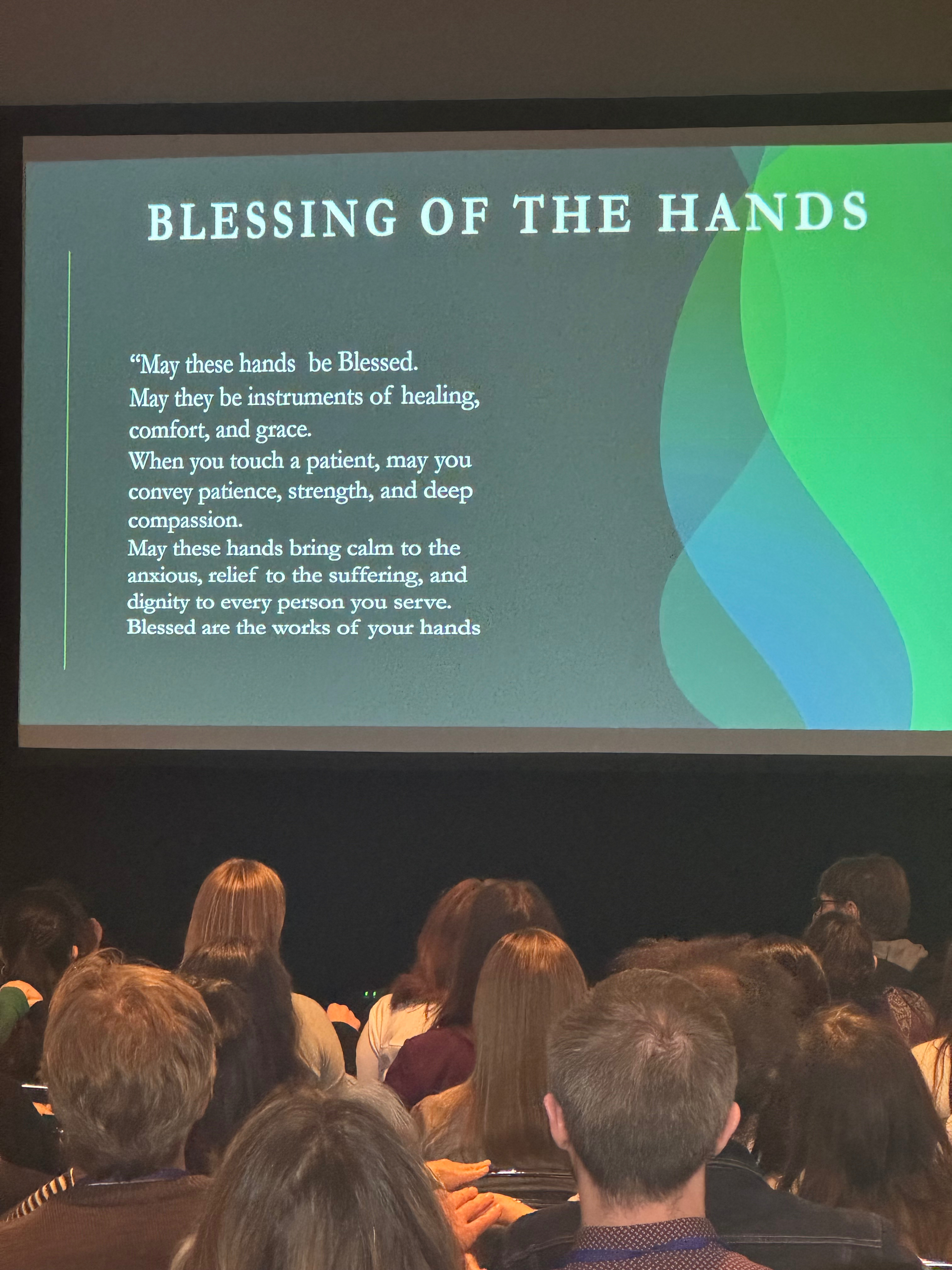
A focus on the whole person was well reflected in the wonderful congress workshops. A workshop that especially stood out to Wendy was one in which attendees were challenged to transform examples of patient narrative accounts into poetry. Some of the poems were shared out loud and the most beautiful and powerful poems met the challenge in helping everyone connect to the heart of what the patient was trying to express.
Bereavement rounds at the RVH
The congress' emphasis on seeing the person behind the illness is reflected in a renewed practice at the Royal Victoria Hospital (RVH): bereavement rounds for palliative care staff and volunteers facilitated by Wendy and her colleagues from Spiritual Care Services.
Every Friday, participants gather to remember patients who have passed away during the week. The names of the deceased are read aloud, one by one, giving those who cared for them an opportunity to share their memories of encounters with patients and families.
The gathering also provides space for participants to reflect on difficult experiences, whether from the past week or a case that continues to weigh on them. A candle, a song or a favourite poem may bring the gathering to a close.
For Wendy, these circles recognize something that is, at times, overlooked by the strongest of healthcare workers: “Even experienced professionals can be affected by a particular death, and having time to reflect with colleagues helps them.”
Since returning from the congress, Wendy has been all the more motivated as a Spiritual Care Professional, whose practice blends seamlessly with the core values of palliative care.
“You can die healed”
Early in her spiritual care career, Wendy had the opportunity to meet with Dr. Mount. She recalls discussing his vision and hearing his amazing hope of how we can support seriously ill patients in still making meaningful connections.
“The congress reminded me of Dr. Mount’s well-known quote: ‘You can die healed.’ He was encouraging us to never give up finding wholeness and peace, even when an illness cannot be cured.”
Hope for physical healing is often the driving force inside hospitals. Palliative care, which includes physical, psychological, social, and spiritual care, reminds us that being connected through relationship is deeply beneficial at any stage of disease and being healed isn’t measured solely on the outcome of one’s treatment. Even when we cannot change the course of an illness, we can still help someone find meaning, connection, and inner peace.