The MUHC advances care for heart rhythm disorders
A world first in cardiac care has taken place at the McGill University Health Centre (MUHC), where a new pacemaker technology was used for the first time to treat complex heart rhythm disorders. On January 16, 2026, Dr. Jacqueline Joza, cardiac electrophysiologist at the MUHC, performed the world’s first pacemaker implantation using a newly developed sheath developed by Medtronic. This innovation allows pacing leads to be placed with unprecedented precision, improving treatment for patients with complex electrical heart disease while giving physicians greater control during procedures.
“I am honoured to have performed this first procedure at the MUHC,” says Dr. Joza. “It reflects the strength of our entire team and our commitment to advancing patient care.”
The procedure was performed in the MUHC’s state-of-the-art Electrophysiology Laboratory (EP Lab) and has already drawn international attention, with clinicians and researchers from around the world visiting the lab to see the technology in action.
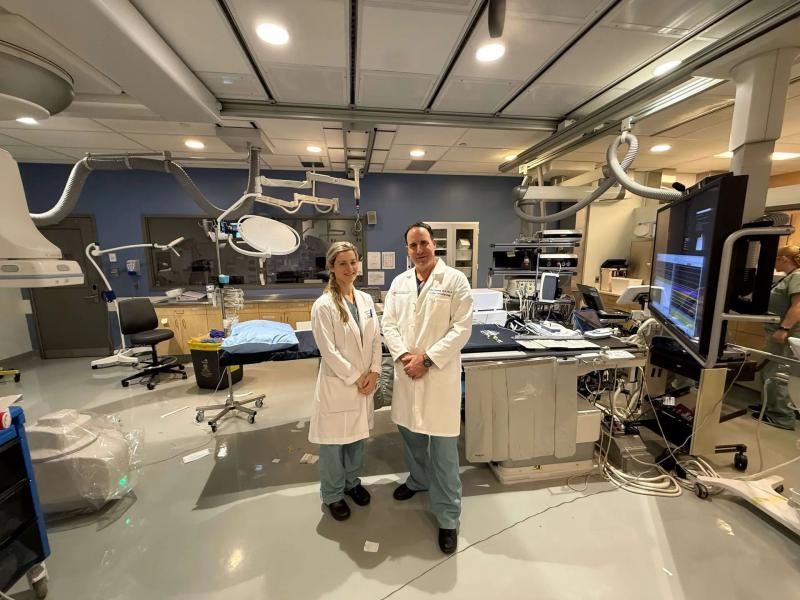
“This new technology is a game changer,” says Dr. Vidal Essebag, Director of Cardiac Electrophysiology at the MUHC. “It’s going to improve the lives of patients by allowing us to deliver treatment with greater accuracy, maximizing the benefits of cardiac interventions.”
A smarter way to pace the heart
Heart disease remains a leading cause of death worldwide. While often associated with blocked arteries or heart attacks, many patients are affected by disorders of the heart’s electrical system. When this system malfunctions, the heart may beat too slowly, too quickly or irregularly, eventually leading to heart failure. These conditions demand more accurate tools to help physicians restore the heart’s natural rhythm and improve long-term outcomes for patients.
Pacemakers are designed to prevent the heart from beating too slowly, but recent advances now allow physicians to correct electrical conduction problems rather than simply increase heart rate. By restoring a more natural activation of the heart muscle, these technologies can help prevent or even reverse heart failure. Innovations like this one are changing how heart rhythm disorders are treated, reducing complications, preventing hospitalizations and improving quality of life for patients.
“It’s a huge step forward in how we treat patients with heart conditions,” says Dr. Atul Verma, Director of Cardiology at the MUHC. “By offering more targeted therapies, we can help our patients feel better and live healthier lives, which is our goal at the end of the day.”
This milestone was made possible through the MUHC Foundation’s investment in the EP Lab, which has given physicians access to cutting-edge technology and positioned the MUHC to lead the next generation of care for patients with heart rhythm disorders.