Half of young adults with type 2 diabetes reach remission through diet and exercise
Meal replacements and supervised workouts helped adults under 45 reverse their diabetes, while holding on to muscle.
More than half of young adults with type 2 diabetes put their disease into remission after six months on a combined low-calorie diet and supervised exercise program, according to an international trial led by two Nominated Principal Investigators, Dr. Kaberi Dasgupta, Senior Scientist in the Metabolic Disorders and Complications Program and the Centre for Outcomes Research and Evaluation at the Research Institute of the McGill University Health Centre (The Institute) and Professor Tom Yates of the University of Leicester, in a Canada-UK collaboration that marked the 100th anniversary of the discovery of insulin.
The RESET for Remission study was recently published in The Lancet Regional Health – Americas and presented at the Annual Meeting of the European Association for the Study of Diabetes (EASD) in Milan. Of the 50 young adults with type 2 diabetes who randomized to the intensive diet and exercise program, 27 (54%) reached remission, compared with just 2 of 46 (4%) who received usual care. Remission means blood sugar drops below the level used to diagnose diabetes, with no diabetes medication for at least 12 weeks. Importantly, they also had other key health benefits.
A faster-moving disease
Increasingly, type 2 diabetes is diagnosed before age 45. In younger adults, it tends to progress faster than when it starts later in life, bringing complications sooner and shortening life expectancy. It also arrives at a time when many people are building careers, studying or starting families.
Options to reverse it are limited for this age group. Surgery can lead to remission, but it is invasive and hard to access. Weight-loss medications help, but their effects over decades of use are unknown and they are not recommended during pregnancy. Low-calorie diets based on meal replacements are the best-established non-surgical route to remission, but until now, no trial had paired one with a structured, supervised exercise program.
Losing fat, keeping muscle
The trial enrolled 96 adults aged 18 to 45 living with type 2 diabetes and obesity in Montreal, Edmonton and Leicester. For the first 12 weeks, people in the program ate 800 to 900 calories a day, mostly from meal-replacement shakes and bars, and did aerobic and strength training twice a week with supervision and once a week on their own. For the next 12 weeks, they switched to a healthy, food-based diet designed to keep the weight off, and kept exercising independently.
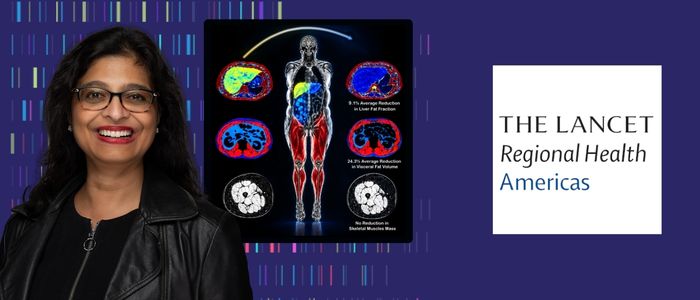
On average, they lost about 7.5 kg more than the usual-care group. In contrast to diet or medication-focused weight loss, this was fat loss without fat free mass loss, keeping their muscle. Their fitness improved by about 10% relative to body weight, their grip grew stronger, and their blood pressure and resting heart rate at rest dropped, as they could do ‘more with less’ since they were fitter. They also reported fewer symptoms of depressed mood, less diabetes-related distress and a better quality of life. Early side effects such as constipation, headache, dizziness and fatigue were common but passed, and there were no serious adverse events.
Protecting muscle was a key goal. Rapid weight loss from dieting alone often costs muscle as well as fat, and regained weight tends to come back as fat, a pattern that can raise the risk of frailty over time.
“Our findings demonstrate the feasibility and efficacy of combining structured aerobic and resistance exercise with a low energy diet in early onset type 2 diabetes, supporting its potential to deliver substantial and holistic health and well-being benefits alongside diabetes remission,” the researchers write.
What comes next
The remission rates are at the upper end of those seen in similar trials, and this is the first study to show these results in a multi-ethnic group of young adults. The researchers note that the approach may be especially valuable for people who are planning a pregnancy or could become pregnant.
Questions remain. Because the trial did not include a diet-only group, the team cannot yet confirm that exercise is what preserved muscle and boosted fitness, even though the known benefits of exercise suggest that is the case. The next step is a larger, longer study comparing diet alone with diet plus exercise in real-world settings.
“As the prevalence of early onset type 2 diabetes rises globally, our findings highlight an opportunity to re-evaluate treatment paradigms and support scalable implementation of integrated dietary and exercise interventions for remission,” the researchers conclude.
About the study
Low energy diet plus supervised exercise vs. usual care alone in people with early-onset type 2 diabetes (RESET for Remission): a randomised, open-label, blinded-endpoint efficacy trial was published in The Lancet Regional Health – Americas. Read the full study (open access).
The trial was conducted at sites affiliated with McGill University and The Institute (Montreal), the University of Alberta (Edmonton) and the University of Leicester (UK).
The trial was funded by the UK Medical Research Council and the Canadian Institutes of Health Research, through a Canada-UK initiative, with additional funding from the John R. McConnell Foundation in Canada.
Source: The Institute
October 23, 2026