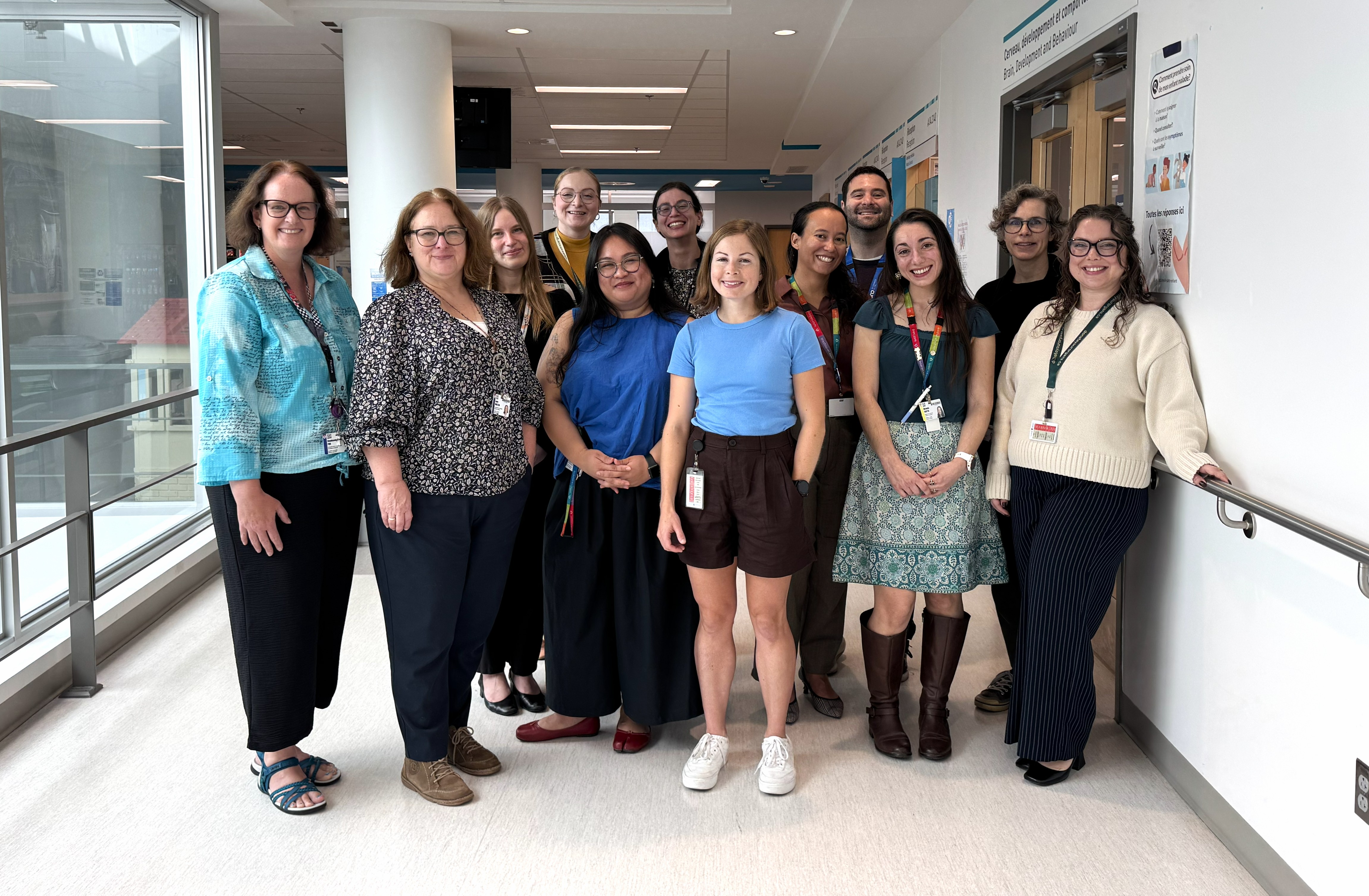
New frontiers in Genetic Counselling at the MUHC
We’re pleased to highlight a few key advances in Genetic Counselling at the McGill University Health Centre (MUHC). In recent years, specialized clinics have emerged in response to a growing scientific understanding of the information encoded in our DNA. In close collaboration with the Institute (RI-MUHC), this expanding body of knowledge is creating new opportunities to diagnose genetic conditions and provide more tailored care.
We sat down with Genetic Counsellors Felicia Russo and Adrienne Atayan to learn more about these innovative clinics, and the evolving needs they address.
New knowledge, new clinics
The MUHC Kidney Genetics Clinic was established in 2020 in response to growing evidence that approximately 20 to 30 per cent of adults with chronic kidney disease of unknown cause may have an underlying genetic explanation. Identifying the underlying cause can have important implications for a patient’s diagnosis, medical management, family members and reproductive planning. It can also inform kidney transplant planning, particularly when a relative is considering donation.
“A relative may wish to donate a kidney to a family member with chronic kidney disease, but genetic testing may reveal that the disease has a hereditary cause,” explains Felicia Russo, Genetic Counsellor at the clinic. “This information helps the transplant team assess whether a relative may be a suitable donor, and reduces the risk of overlooking an inherited predisposition to kidney disease.”

Felicia finds her work particularly rewarding, collaborating closely with Dr. Thomas Kitzler, a geneticist and clinician-scientist, and the Nephrology Department to identify patients who may benefit from genetic testing. This multidisciplinary effort ensures that patients and their families receive more targeted assessment.
Moreover, the Kidney Genetics Clinic is helping shape the future of genetic services in Canada. Through a newly funded national study, Felicia and Dr. Kitzler are examining how kidney genetics services are delivered across the country, bringing together perspectives from both clinicians and patients. By identifying gaps in knowledge and challenges in referral practices, the research aims to uncover opportunities to make genetic services more accessible, equitable, and sustainable as the field continues to grow.
Mitochondria, genetics and emerging risks
Mitochondria are structures within our cells that produce much of the energy our bodies need to function. Genetic changes affecting mitochondrial function can affect multiple organs, including the brain, muscles, kidneys and eyes. Adrienne Atayan is a Genetic Counsellor whose dedicated role in mitochondrial genetics is supported by the Liam Foundation and the Montreal Children’s Foundation.
Her work encompasses an emerging area of genetic testing arising from concerns about rare adverse reactions to certain general anaesthetics in individuals with maternal Venezuelan ancestry. Working in collaboration with geneticist Dr. Daniela Buhas and anaesthesiology teams, Adrienne is helping patients access genetic screening.

“The Mitochondrial Genetics Clinic is different because we see families every few months for regular check-ins. Their care involves more ongoing medical follow-up, including metabolic testing and vitamin supplementation, or specialized vitamin regimens,” Adrienne explains. “These regular appointments give me the opportunity to build relationships with families over time, which has been a meaningful experience for me.”
These are just two examples of the specialized genetic counselling services taking shape across the MUHC. Others include the Sudden Unexplained Death Syndrome Clinic, which coordinates genetic evaluations for families following an unexplained infant death; a dedicated Genetic Counsellor at the MUHC Reproductive Centre, who supports individuals and couples exploring in vitro fertilization (IVF) when a genetic condition is present in the family; cardiogenetics at the Montreal General Hospital, which serves patients with heart conditions; and neurogenetics at The Neuro, which addresses a broad range of neurological conditions.
There is also the Pediatric Cancer Predisposition Clinic at the Montreal Children’s Hospital (MCH), who helped create The McGill Interactive Pediatric OncoGenetic Guidelines (MIPOGG), winner at the 2026 Hyppocrate Awards.
Specialized clinics allow Genetic Counsellors to develop a deeper understanding of the people they serve. Today is Genetic Counsellor Day 2026, celebrated each year in November, and we’re thankful that our counsellors are bringing innovation to the people who need it most.
Today is Genetic Counsellor Day 2026!